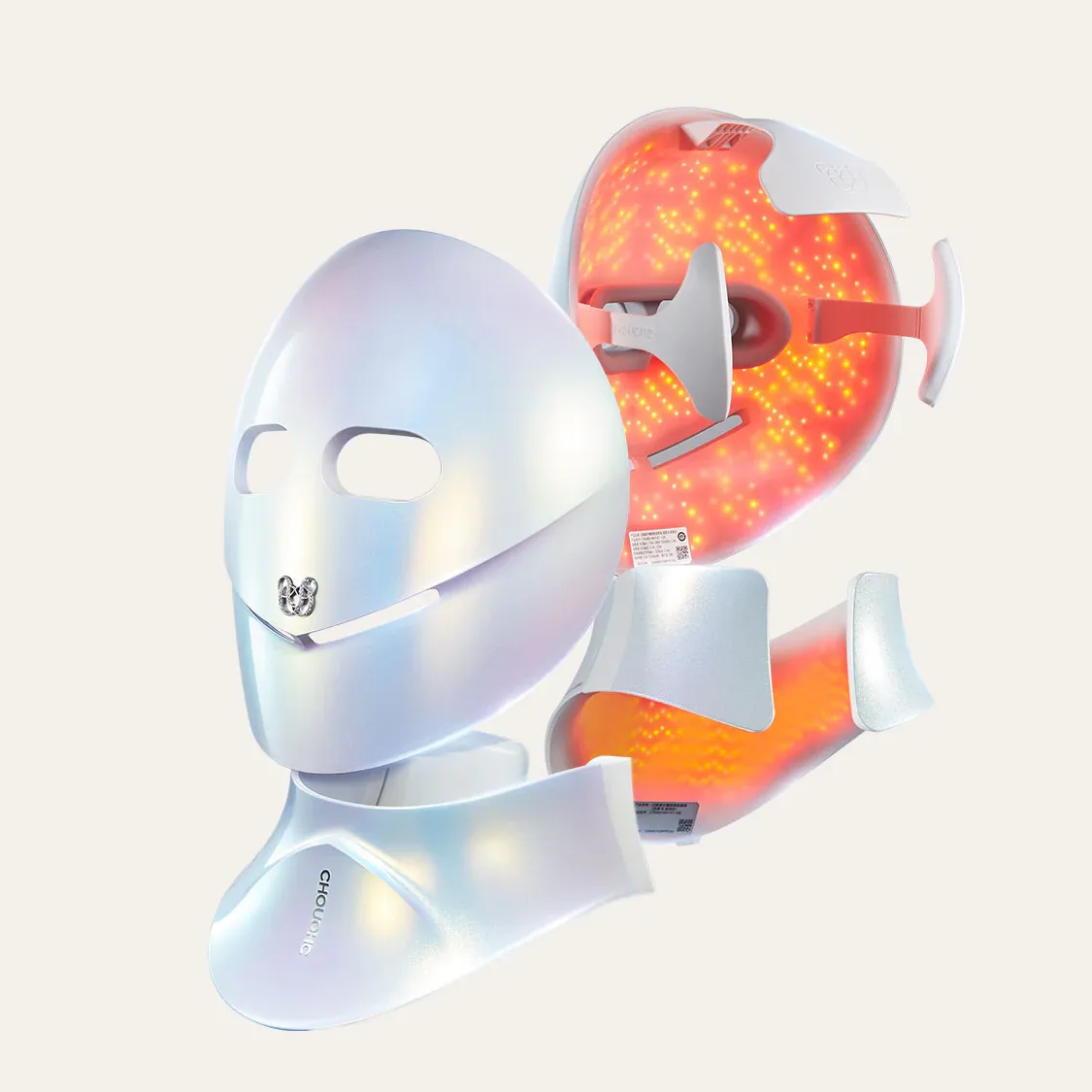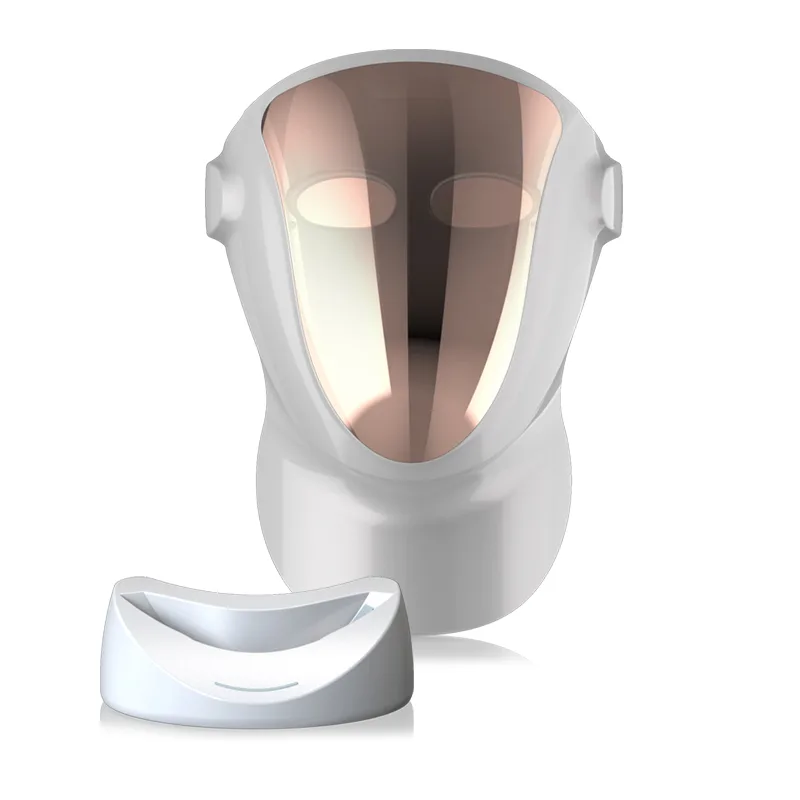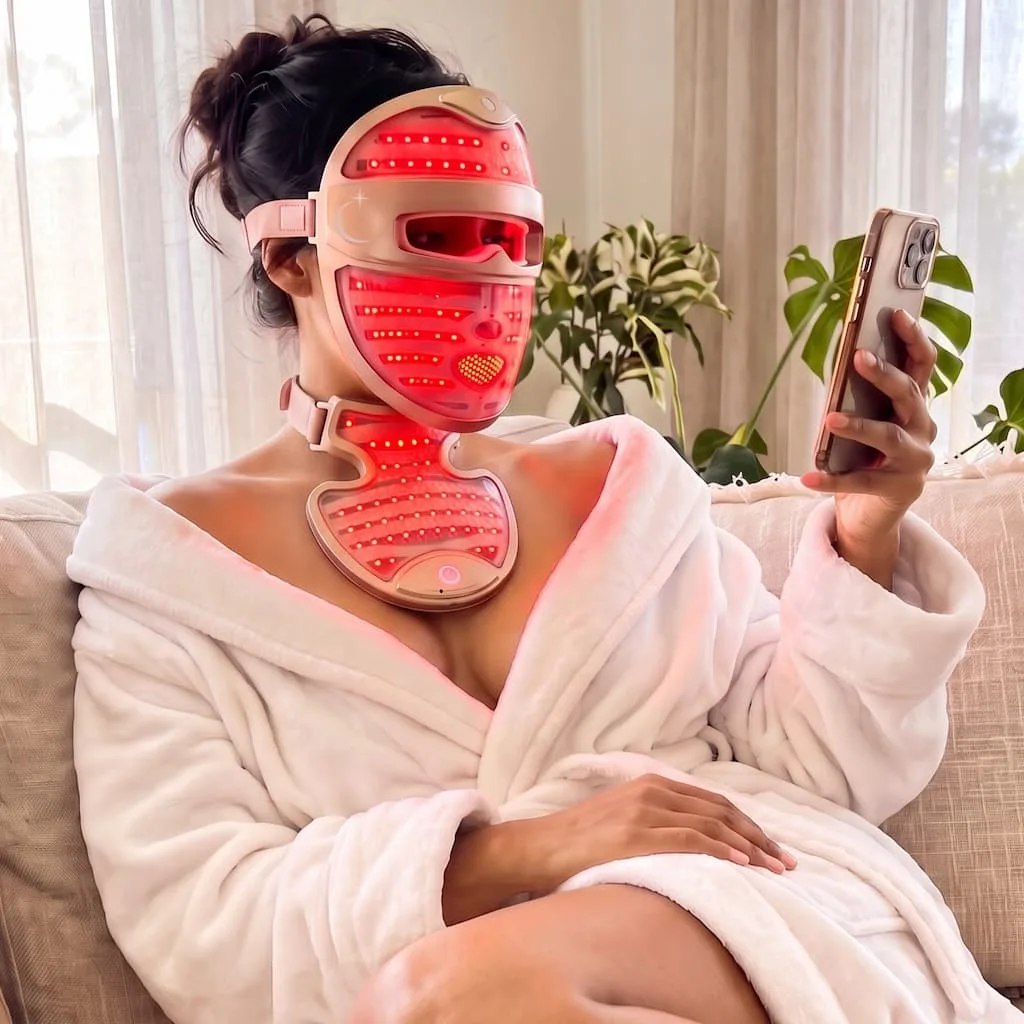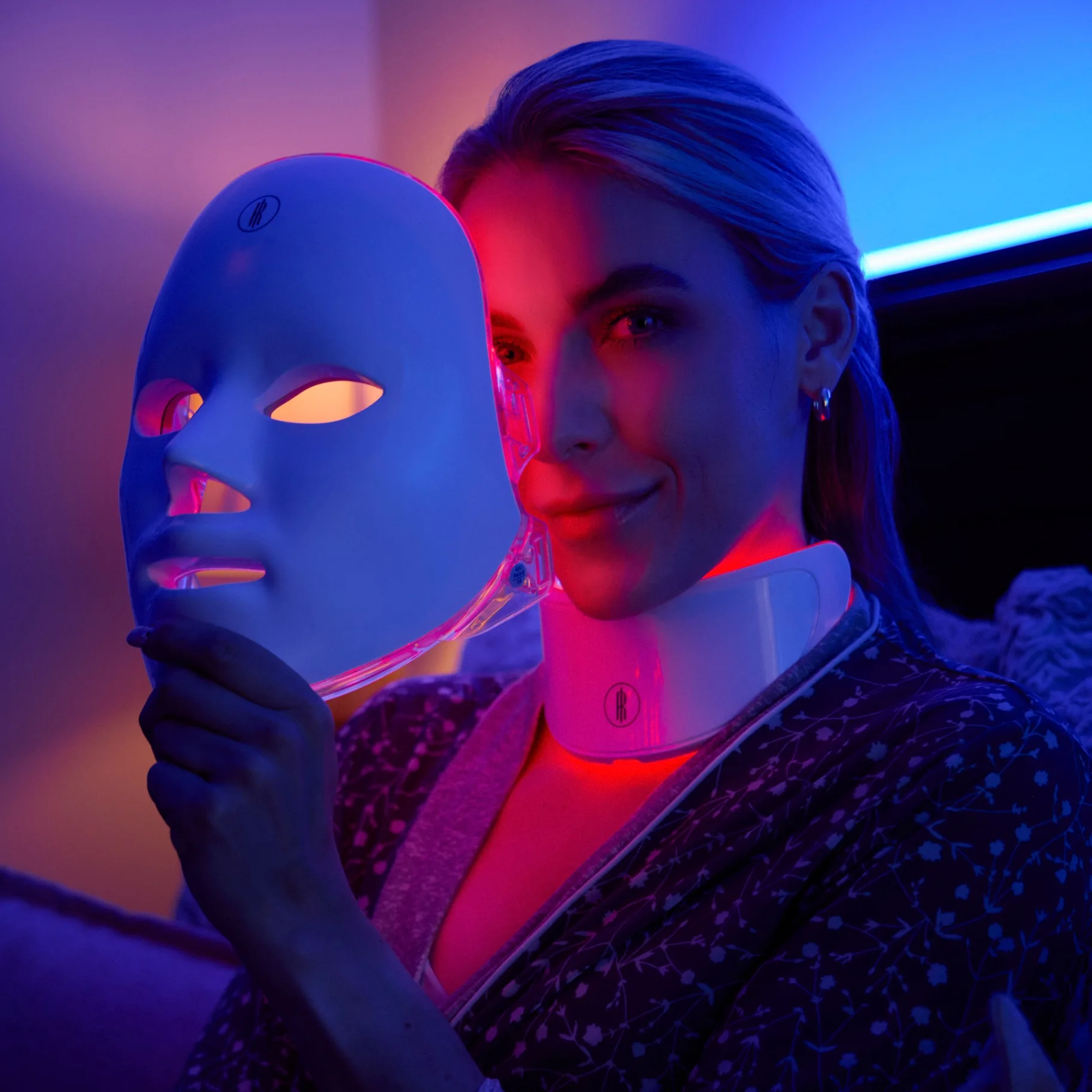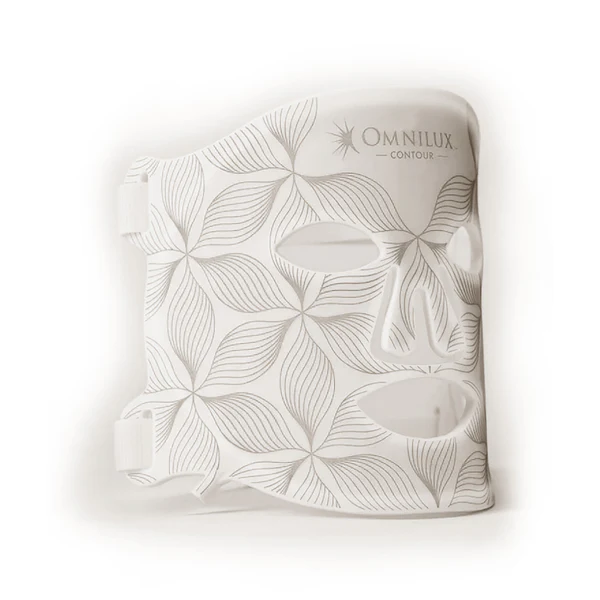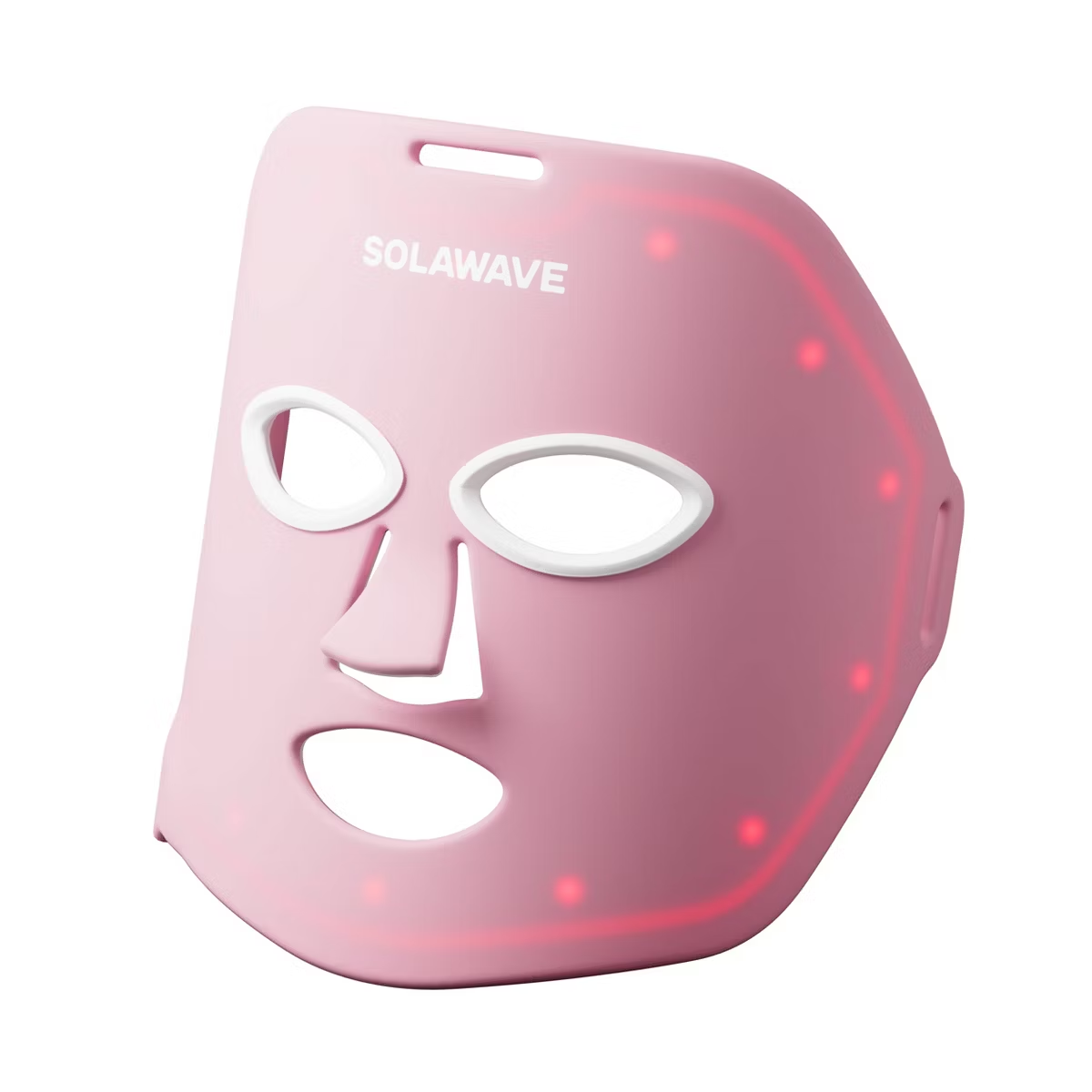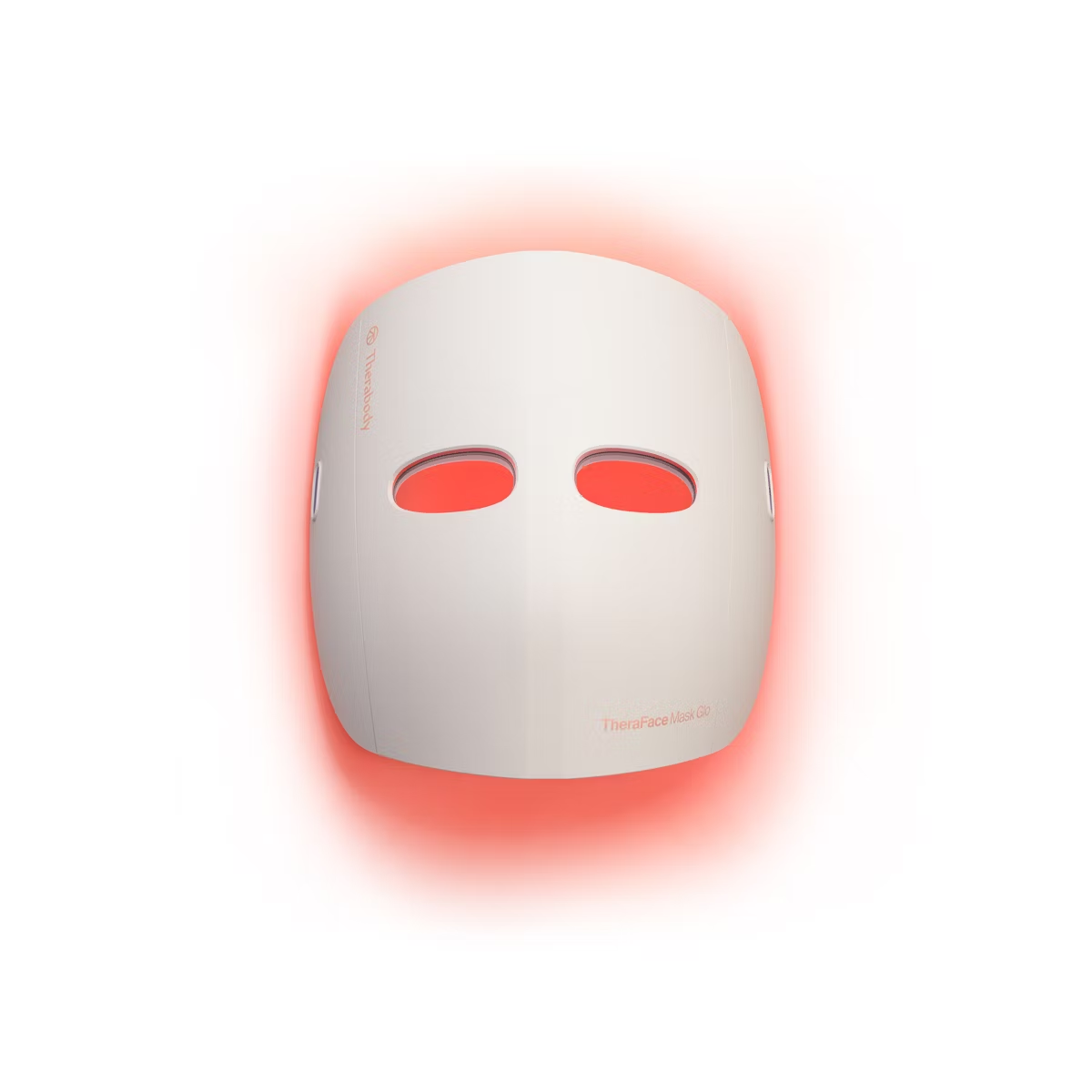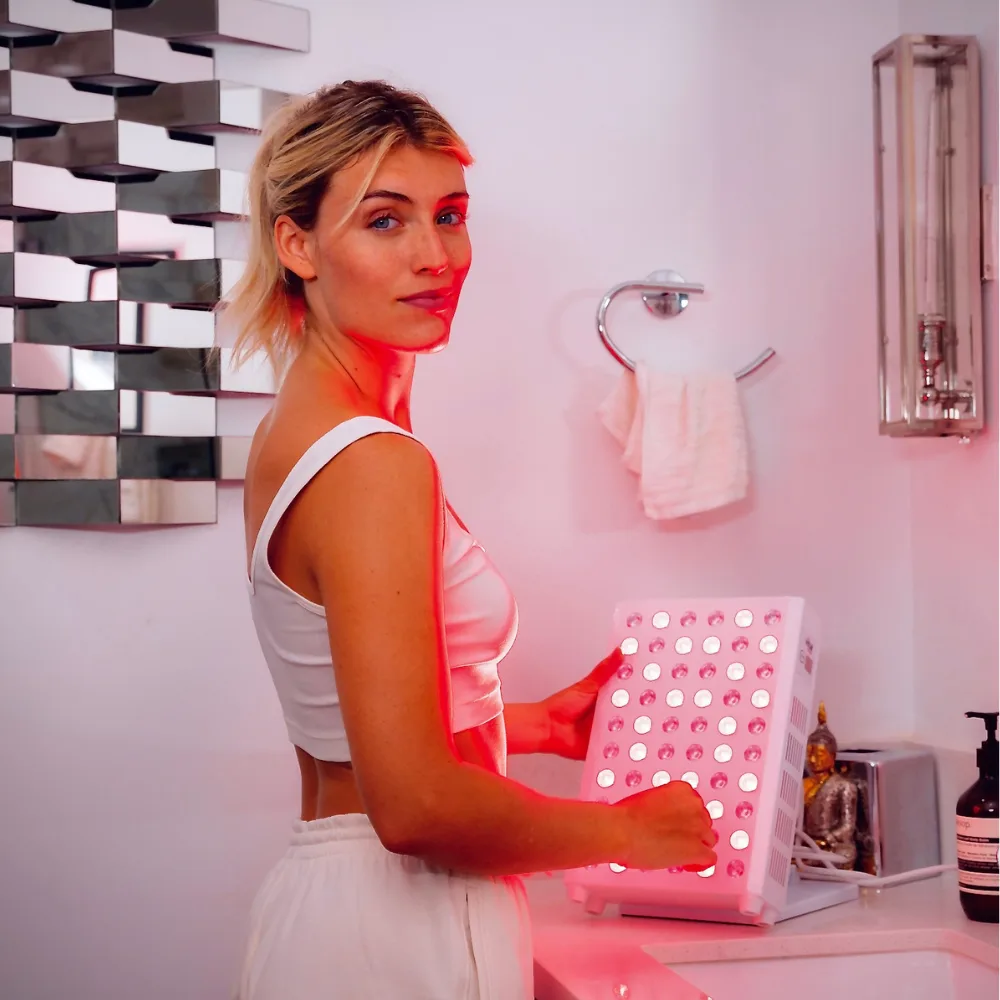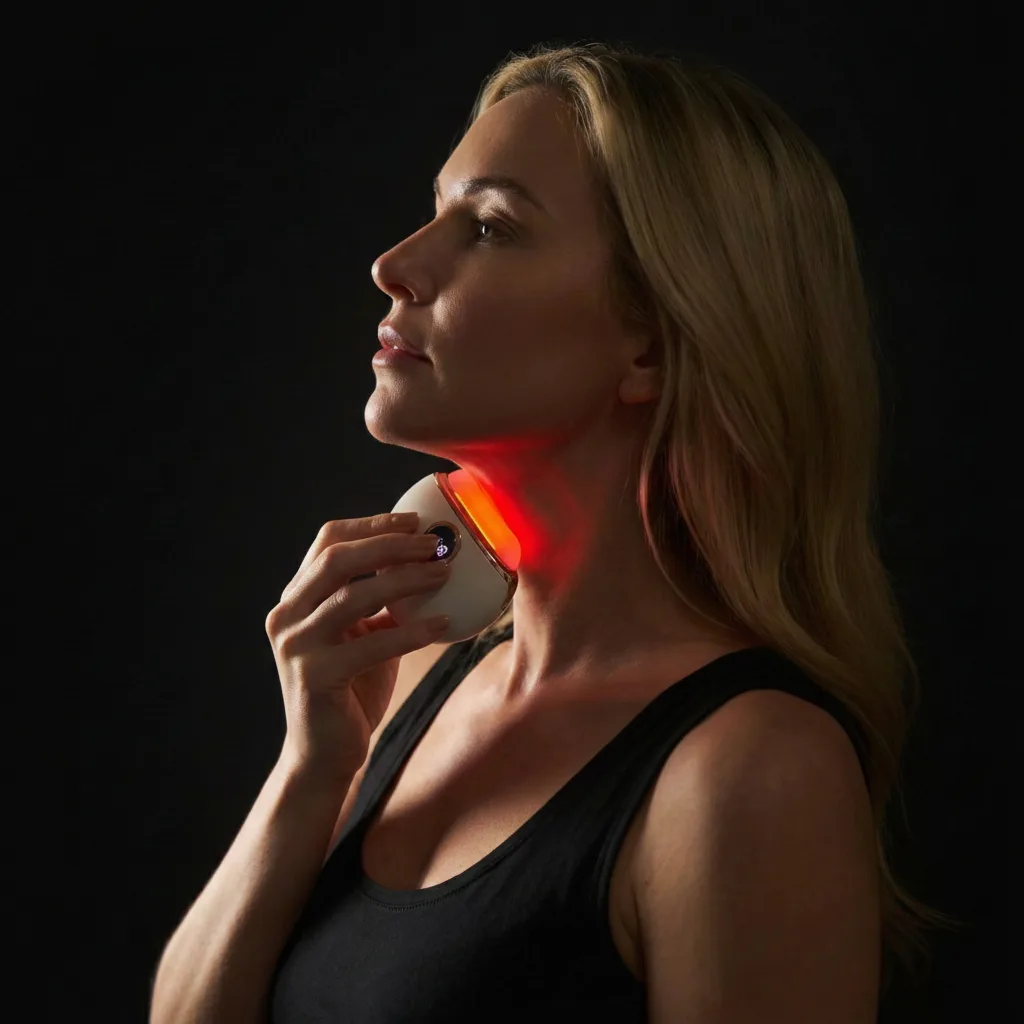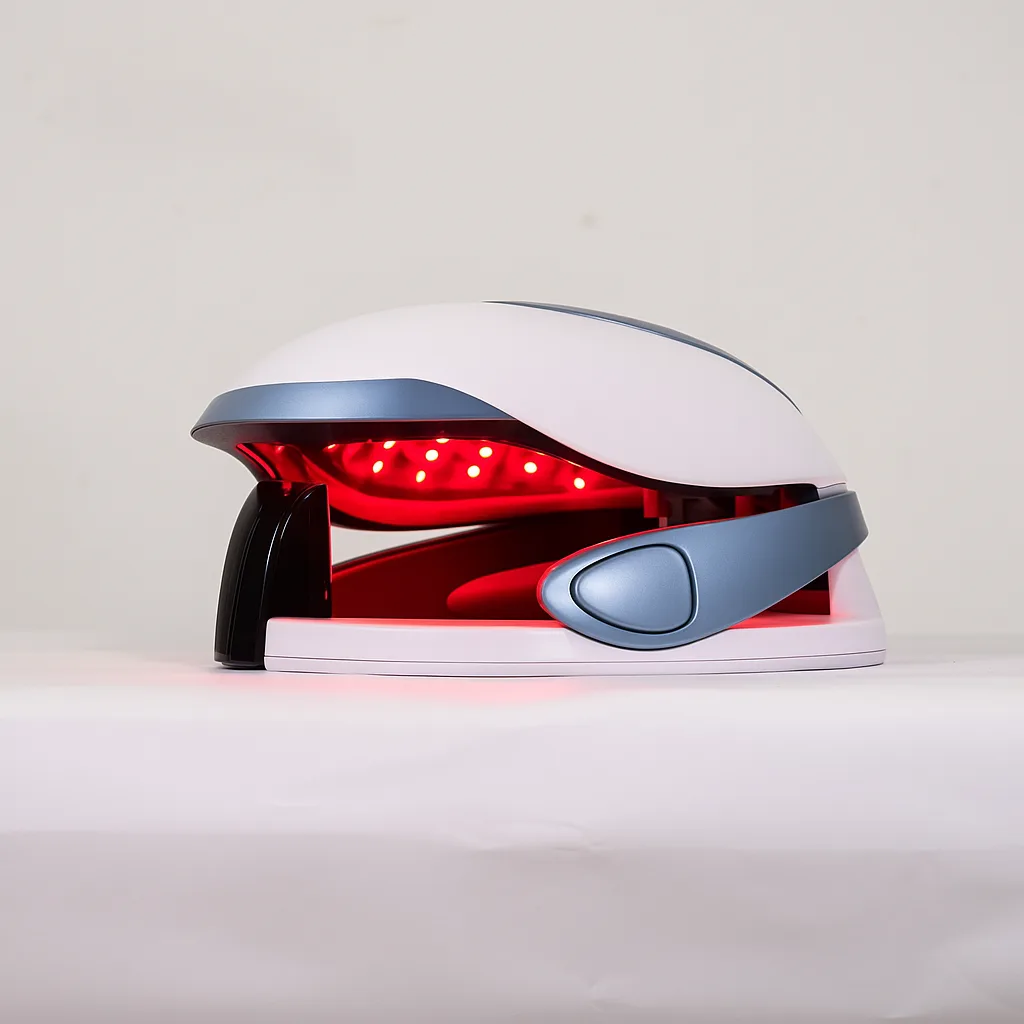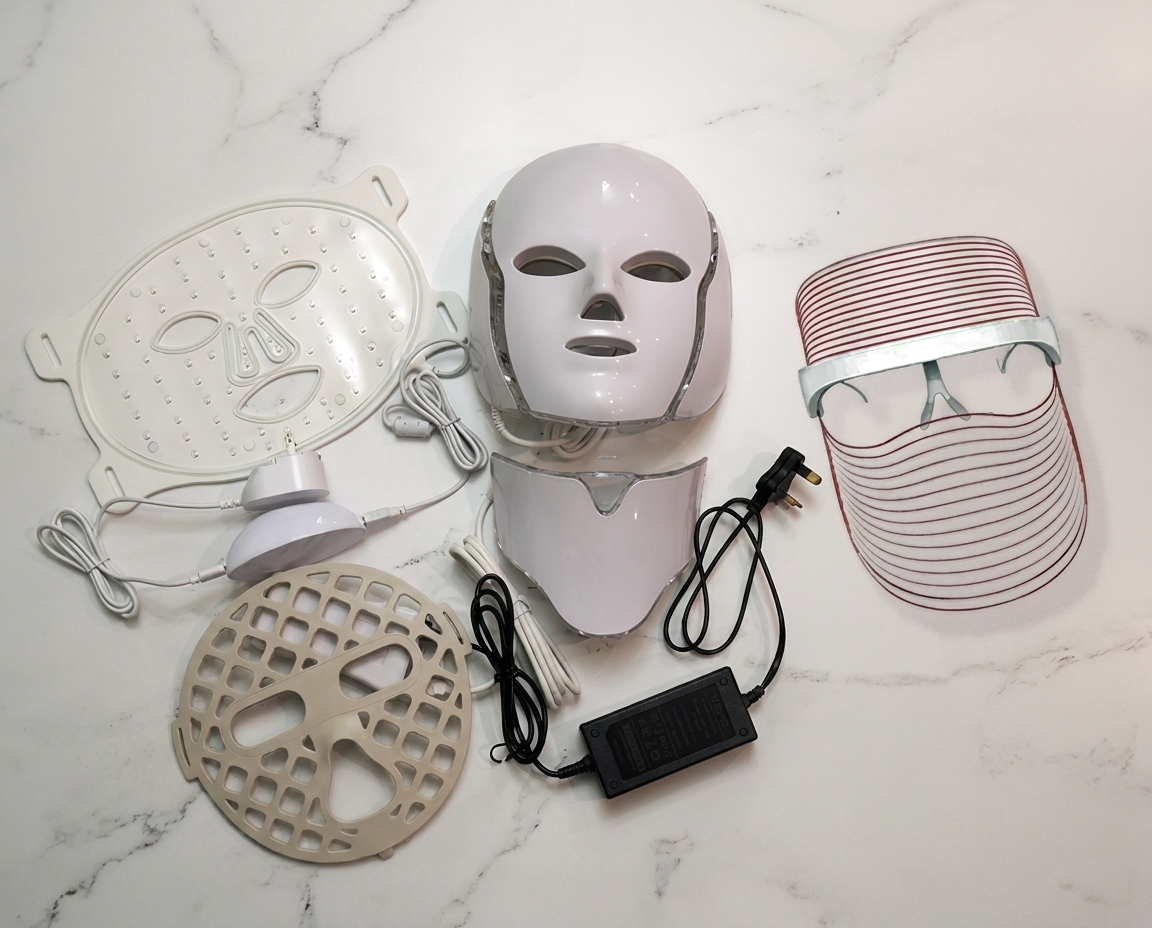
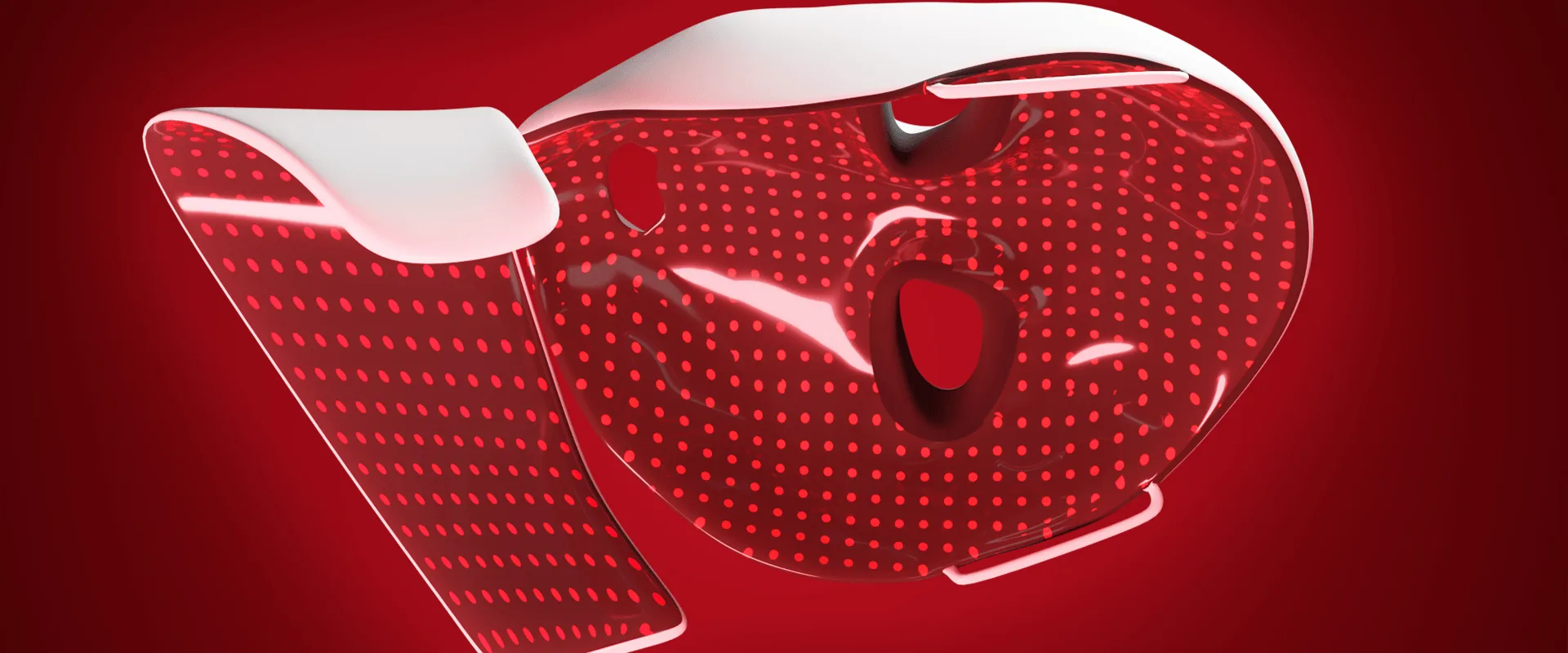
🍂 Fall Skin Tip: With shorter days and cooler air, your skin is battling wind chill, indoor heating, and moisture loss that dry it out and dull your complexion. Combined with red light, yellow light helps calm seasonal redness and irritation from the cold. Red light therapy helps repair daily environmental stress while keeping your skin firm and hydrated through the fall.
When people talk about "the future of skincare," I don't think any of us predicted something quite so futuristic. Yet here we are with these "killer looks" in 2026.
Whether you're a serial Instagram and TikTok-scroller or just have your thumb on the pulse of the newest, coolest skincare innovations, it's likely that you've heard a little something about LED skin therapy.
In the past, these fancy treatments were only available under the practiced hand of your aesthetician for in-office treatments. Now, this luxury is available for you to use at your leisure when your skin is in the mood for something fancy. But before you dismiss it as another beauty fad, consider this: the science of light affecting your body isn't new at all.
Not All Light Is Created Equal
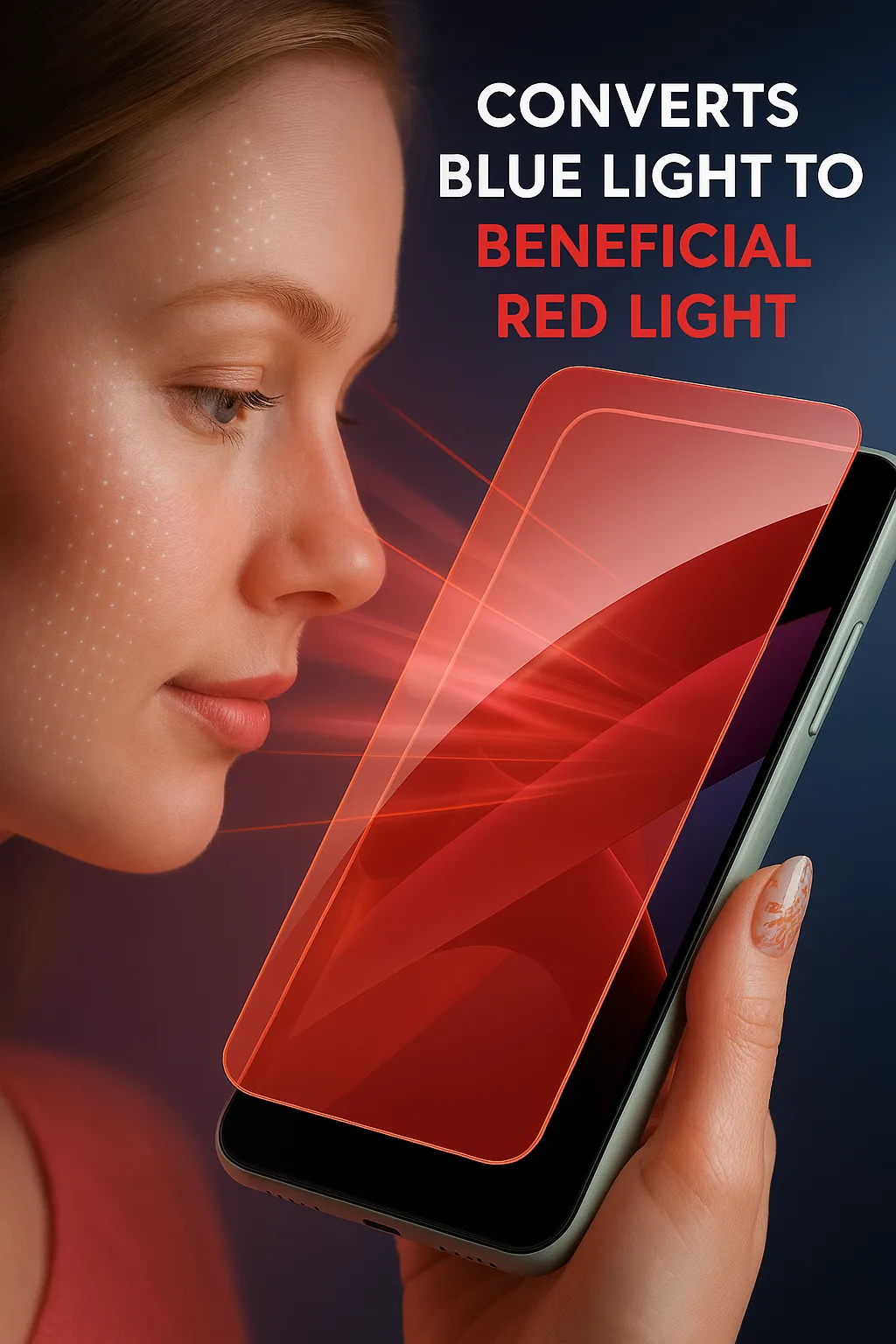
🏛️ U.S. Patent 6,506,148 confirmed that light frequencies directly affect human biology. Here's the difference:
Screens & Artificial Light
- ⚠️ Disrupts circadian rhythm
- ⚠️ Increases oxidative stress
- ⚠️ Accelerates photoaging
- ⚠️ Degrades collagen passively
Therapeutic Red Light
- ✅ Boosts ATP by 150-200%
- ✅ Stimulates collagen synthesis
- ✅ Reduces inflammation
- ✅ Repairs at the cellular level
Wrong light degrades your biology passively. The right light, delivered intentionally, does the opposite. That's photobiomodulation science🧬 MechanismPhotobiomodulation (PBM) delivers specific wavelengths (630-1000nm) absorbed by cytochrome c oxidase in mitochondria. This boosts electron transport chain activity, increases ATP synthesis, and modulates reactive oxygen species and nitric oxide signaling, reducing inflammation, enhancing collagen production, and accelerating tissue repair.📚 SourceHamblin MR. (2017). Mechanisms and applications of the anti-inflammatory effects of photobiomodulation.AIMS Biophysics, 4(3): 337-361.
So who figured out how to harness the right light for healing? It was actually NASA.
👨🚀 Did You Know?
LED light therapy was originally a NASA technology, adopted by the skincare community when itsability to heal wounds🧬 MechanismNASA discovered that red LEDs at 670nm accelerated plant growth and wound healing in astronauts. The light energy increases cellular metabolism, reduces inflammation via modulation of reactive oxygen species (ROS), and promotes angiogenesis (new blood vessel formation).📚 SourceWhelan HT, et al. (2001). Effect of NASA Light-Emitting Diode Irradiation on Wound Healing.Journal of Clinical Laser Medicine & Surgery, 19(6): 305-314 and tame inflammation was noticed. From space stations to skincare clinics, and now, to your bathroom.
Blue light frequencies are typically used to treat acne🧬 MechanismBlue light at 415nm is absorbed by porphyrins (specifically coproporphyrin III and protoporphyrin IX) produced by Cutibacterium acnes bacteria. This triggers a photochemical reaction that generates reactive oxygen species, destroying the bacteria from within without antibiotic resistance.📚 SourceAshkenazi H, et al. (2003). Eradication of Propionibacterium acnes by its endogenic porphyrins after illumination with high intensity blue light.FEMS Immunology & Medical Microbiology, 35(1): 17-24, while red light is used for anti-aging concerns. If shooting lights at your face sounds scary, you should know that there are no ultraviolet rays in these devices. The only frightening thing about these masks is the look of them.
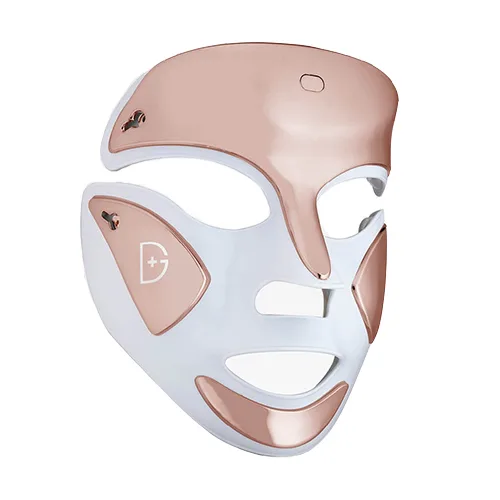
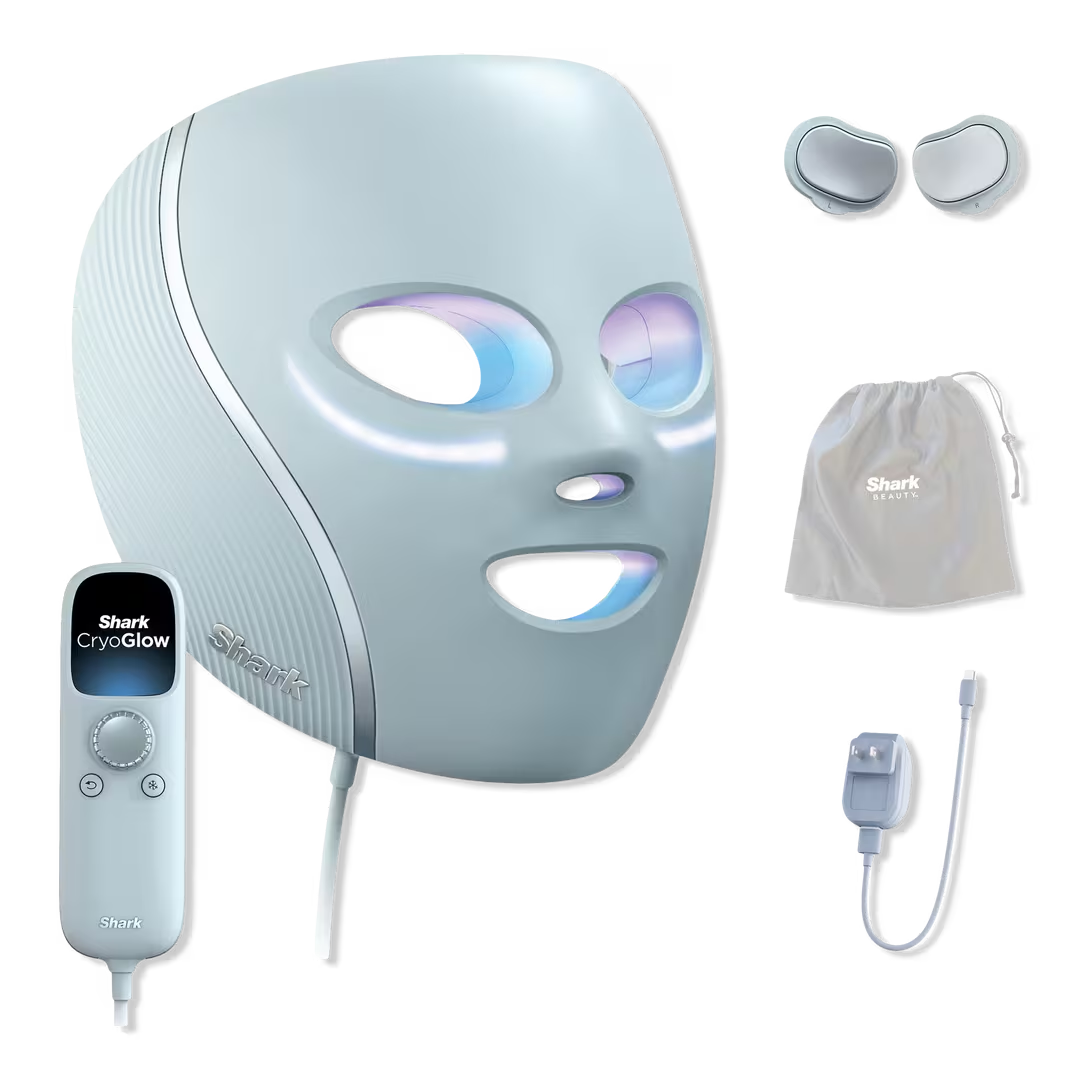
Most LED face masks have pretty hefty price tags, and nearly all of them claim transformative results. So what's the deal? Do they work? How do they work? Is there really a best red light therapy mask out there worth the money? And, um… What is light therapy? We're here to dish the dirt.
What Is LED Light Therapy?
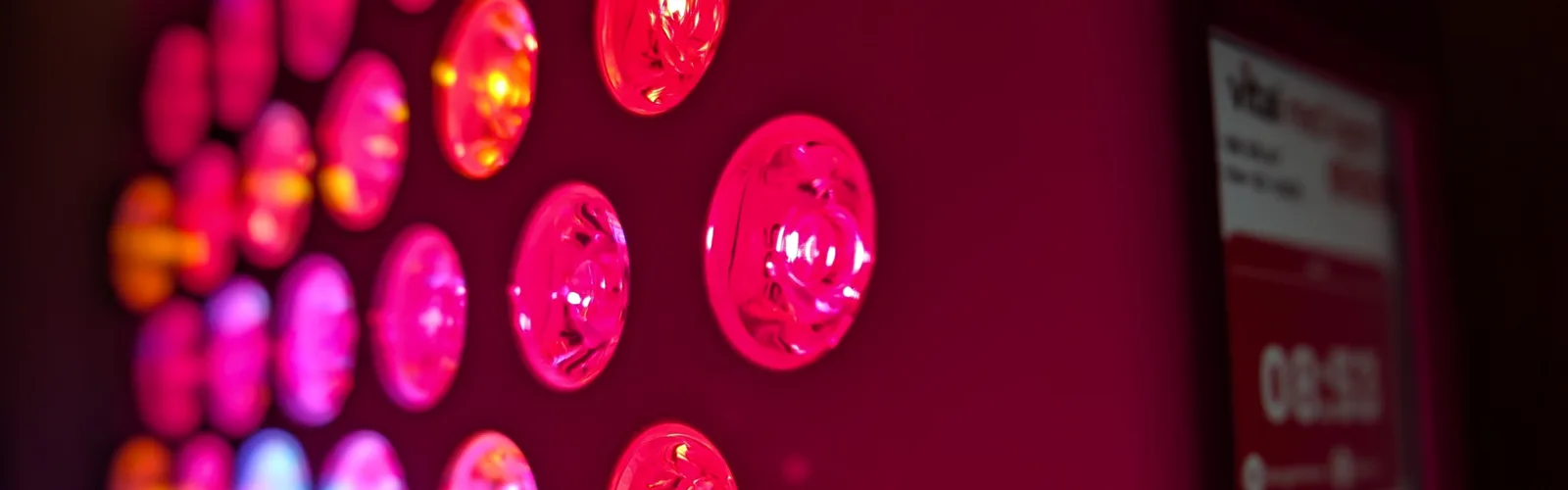
LED light therapy is a scientifically-backed skincare treatment that has been used for approximately 30 years in clinical and aesthetic settings. Originally developed by NASA for wound healing and plant growth experiments, this technology exposes skin to specific wavelengths of LED light including red (630-660nm), blue (415-445nm), green (525nm), cyan, yellow, orange/amber, purple, white, and near-infrared (850nm).Each wavelength penetrates skin at different depths🧬 MechanismChromophores in skin tissue absorb specific wavelengths: blue (415nm) penetrates ~1mm affecting epidermis, red (630-660nm) reaches 2-3mm into the dermis, and near-infrared (850nm) penetrates 4-5mm reaching subcutaneous tissue. Penetration depth follows the optical window of tissue where absorption by water, hemoglobin, and melanin is minimized.📚 SourceAvci P, et al. (2013). Low-level laser (light) therapy (LLLT) in skin: stimulating, healing, restoring.Seminars in Cutaneous Medicine and Surgery, 32(1): 41-52 to target specific cellular processes and skin concerns.
What Does LED Light Therapy Do?
When used consistently, LED light therapy provides clinically-proven benefits for multiple skin concerns.Red light stimulates fibroblast activity to boost collagen and elastin production🧬 MechanismPhotobiomodulation at 630-660nm upregulates genes involved in collagen synthesis (COL1A1, COL3A1) and increases transforming growth factor-beta (TGF-β) expression. This triggers fibroblasts to produce more extracellular matrix proteins, with studies showing a 31% increase in collagen density after 12 weeks.📚 SourceWunsch A, Matuschka K. (2014)Photomedicine and Laser Surgery - Randomized controlled trial with 136 volunteers, reducing fine lines and wrinkles. Blue light wavelengths eliminate Propionibacterium acnes bacteria to clear breakouts and control oil production.Green light reduces melanin production🧬 MechanismGreen light at 525nm inhibits tyrosinase activity, the key enzyme in melanogenesis. It also modulates melanocyte-stimulating hormone (MSH) receptors, reducing melanin transfer to keratinocytes. Clinical studies show 30-50% improvement in hyperpigmentation with consistent use.📚 SourceGoldberg DJ, et al. (2007). Full-spectrum intense pulsed light for treatment of pigmented lesions.Journal of Cosmetic and Laser Therapy, 9(2): 80-83 to fade hyperpigmentation and dark spots. This non-invasive treatment can address acne vulgaris, photoaging, rosacea, periorbital hyperpigmentation (under-eye bags), psoriasis symptoms, and general inflammation. For healthy skin, regular LED therapy enhances cellular turnover, improves skin texture and tone, and provides preventive anti-aging benefits for the face, neck, and décolletage, areas that show the earliest signs of aging.
✦ Interactive Spectrum
Feel Each Wavelength
Hover over each wavelength on the spectrum below. Watch the page transform.
↑ Hover over the spectrum to explore each wavelength
✦ Cellular Animation
What Happens During a Session
A real-time look at how LED light transforms your skin at the cellular level
Simplified cross-section showing how 630-660nm red light triggers cellular regeneration in the dermis.
And the benefits go well beneath the skin's surface. In fact, LED light treatments have been applauded for their mental health benefits, too.
Client feedback suggests that a short period of time spent under in-clinic LED lamps could dramatically improve mood, lifting spirits and reducing stress levels. Need proof? LED light therapy boosts our ATP so that it can fuel other cells with energy and boost our serotonin count. Needed.
Since the results for your skin and mind are cumulative, you need to have regular treatments to see an effect. If you can't afford regular LED treatments at your local clinic, spa, or salon, an at-home red light therapy mask could be the answer. And that's where the best LED face masks come in.