School of Dermatology, expert dermatologist-reviewed red light therapy and anti-aging skincare information
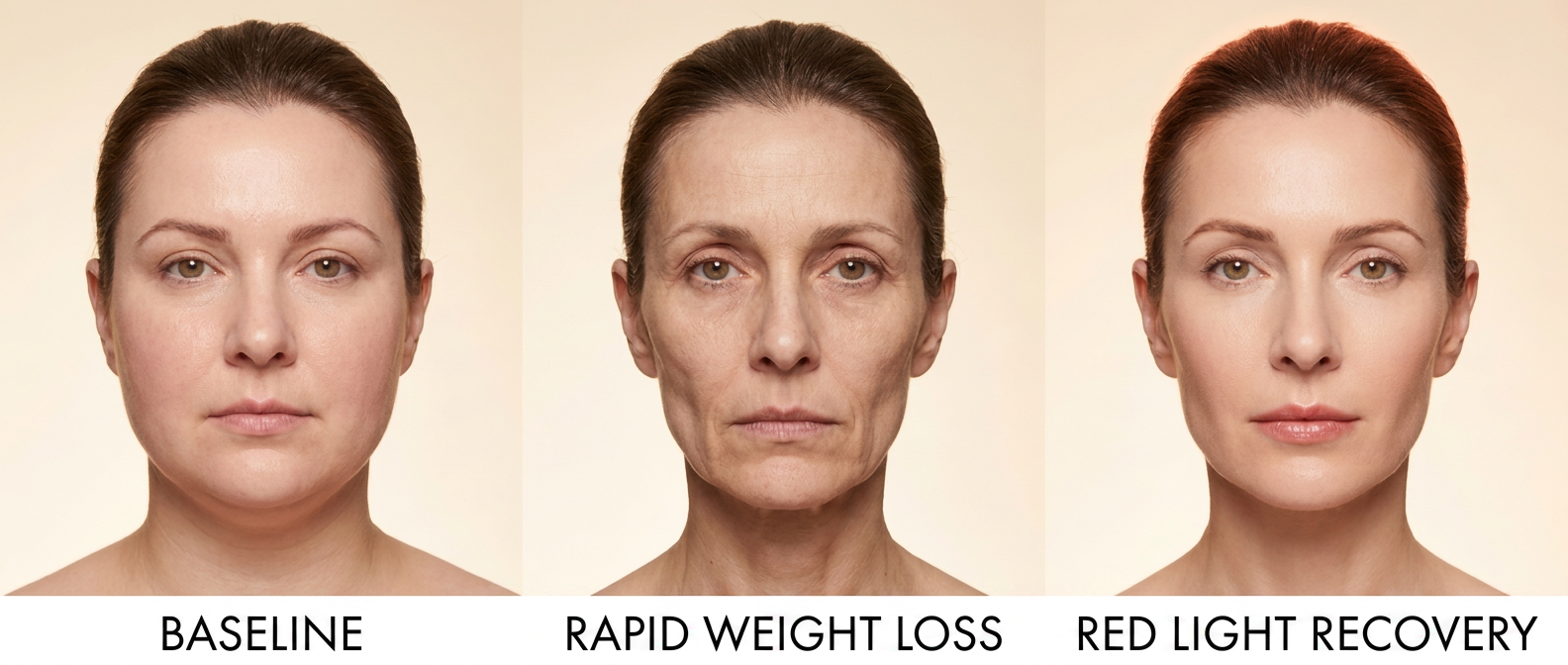
    Three-panel editorial showing baseline, facial volume loss after rapid weight loss, and red light recovery
    Post Weight-Loss Skin Science · Updated November 15, 2026

    Weight-Loss Facial Aging: The 7 Hidden Mechanisms Behind Sagging Skin and Lost Volume

    It is not just lost fat. Recent research shows that rapid weight loss accelerates facial aging through six additional cellular pathways. Here is what is actually happening under the skin, and the red light therapy protocols that help restore each one.

    📖 14 min read
    🔬 Tap any red dotted phrase to reveal the mechanism + source

    The plot twist that changes everything

    For two years, the prevailing dermatology consensus held that facial volume loss after rapid weight loss was simple: weight loss removed subcutaneous fat, gravity did the rest. Cosmetic fillers, slower weight loss, more protein. Case closed.

    Then in June 2025, a multi-institutional research team in Athens published a landmark paper in Endocrine showing that the picture is far more complex. Even patients who stabilize their weight, who lose slowly, who do everything right, are still aging at the cellular level, because rapid fat loss itself rewires how skin cells produce energy, defend against oxidation, and synthesize collagen.

    This is not scare copy. It is peer-reviewed evidence published by the dermatology faculty at the National and Kapodistrian University of Athens. And it means anyone going through significant weight loss needs a counter-strategy.

    Why this matters now

    The Cleveland Clinic notes that older adults and many rapid losers are most vulnerable. Endocrinologist Dr. Vinni Makin describes the hallmarks: "gauntness, sunken cheeks, new wrinkles and loose skin on the face and neck." Her recommendation? Slower weight loss, more protein, fillers, surgery.

    Those are all real options. But they all share a problem: they do not address the underlying cellular dysfunction. Filler plumps. Neuromodulators freeze. Neither restores the energy production inside your skin cells. Photobiomodulation does.

    The Old Theory vs The New Science

    For years, dermatology accepted a simple explanation for facial changes after rapid weight loss. The Athens study reframes the entire conversation.

    2023 to 2024

    The Fat-Loss Theory

    Facial changes after rapid weight loss are caused entirely by loss of subcutaneous facial fat. The skin envelope no longer has fat to fill it, so it sags. Same mechanism as bariatric surgery patients. Solution: slower weight loss, fillers if needed.

    Problem: Doesn't explain why patients with modest weight loss also report skin quality changes, or why the skin texture itself (not just volume) deteriorates.

    2025 Research

    The Cellular Cascade Theory

    Adipose-derived stem cells (ADSCs) and fibroblasts respond directly to the metabolic signals of rapid fat loss. Cellular activity drops, ATP production crashes, reactive oxygen species spike, estrogen output is suppressed, and collagen breakdown enzymes accelerate. Fat loss is just one of seven mechanisms.

    Solution: Address the cellular dysfunction itself, not just the cosmetic consequence.

    The Athens authors put it plainly in their June 2025 review: "It seems that this complication is not exclusively related to decreased facial fat, but there are more aging mechanisms that have to be elucidated." Translation: dermatology has been treating the symptom and missing the disease.

    The 7 Mechanisms Behind Facial Aging After Rapid Weight Loss

    Each mechanism below is independently supported by peer-reviewed research. They compound. And for each, red light therapy at 630 to 660nm offers a targeted counter at the same cellular level.

    Hollow cheeks from subcutaneous fat depletion after rapid weight loss
    01
    Subcutaneous Fat Depletion
    The classic "hollow cheeks" pattern, dermal fat layer loss

    Dermal white adipose tissue (DWAT) is not just padding. It is a structural and metabolic layer producing growth factors that keep the skin above it plump and signaling-active. Rapid weight loss strips DWAT volume faster than the overlying skin can remodel, leaving redundant tissue draped over a smaller scaffold. .

    This is the only mechanism that fillers actually address. The other six are invisible to a syringe.

    Red Light Counter

    Near-infrared at 850nm penetrates 4 to 5mm into the subcutaneous layer and stimulates adipose-derived stem cells to differentiate and produce paracrine growth factors. Red light at 630 to 660nm above it triggers fibroblast proliferation to rebuild the dermal scaffold, so the overlying skin retracts onto the new structure rather than draping.

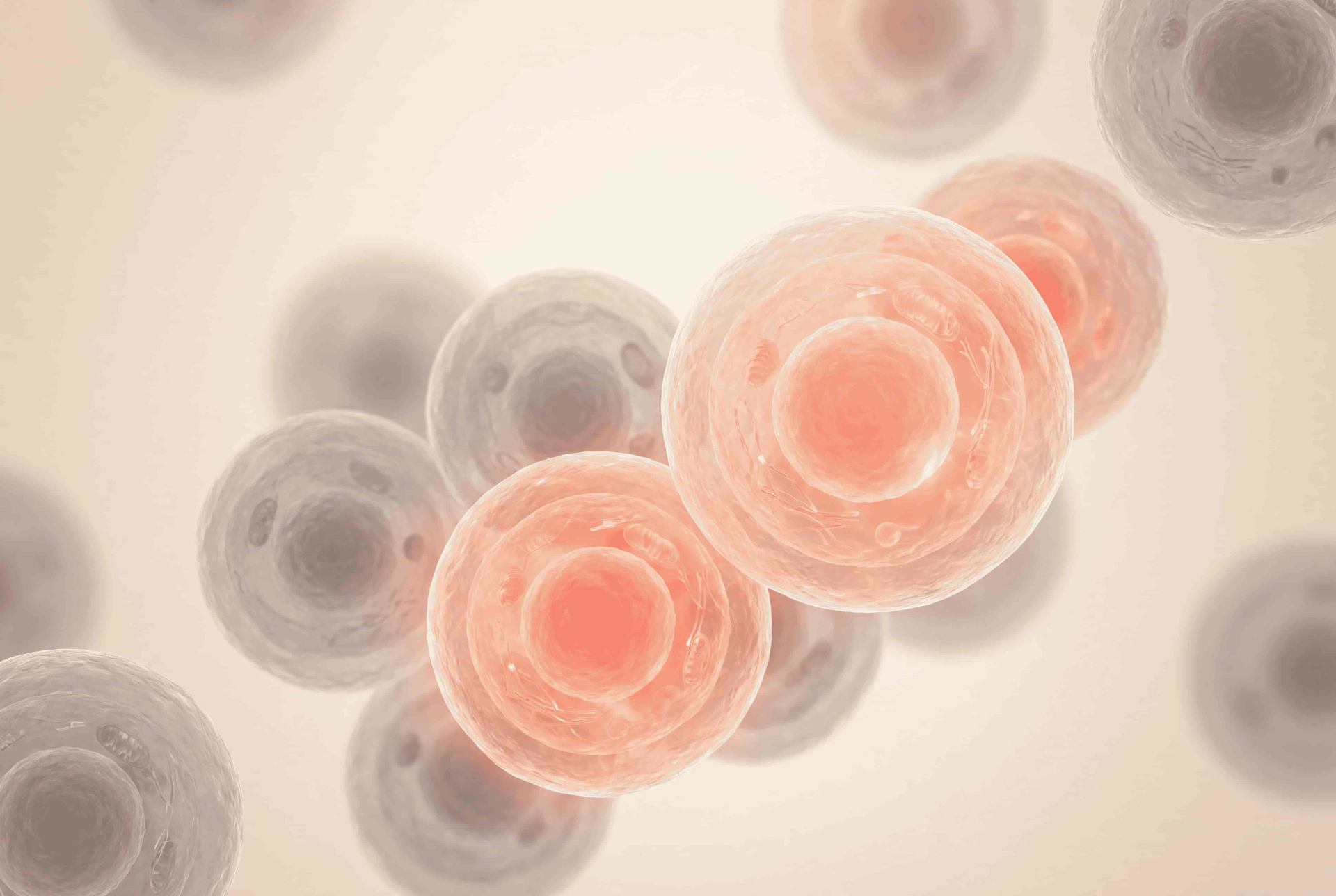
    Adipose-derived stem cells with reduced activity after rapid fat loss
    02
    Stem Cell Activity Drop
    Rapid caloric restriction tells adipose-derived stem cells to stop working

    Here is the part the fat-loss-only theory missed. Adipose-derived stem cells (ADSCs) are exquisitely sensitive to nutrient availability and the metabolic signals that follow rapid caloric restriction. When the dermal fat layer shrinks quickly, those signals suppress ADSC proliferation and differentiation.

    ADSCs are the dermis's repair crew. They differentiate into new fat cells, fibroblasts, and produce the protective cytokines that shield mature cells from oxidative stress. Silence the ADSCs and the entire local repair economy collapses.

    Red Light Counter

    Photobiomodulation upregulates ADSC migration, proliferation, and paracrine activity through cytochrome c oxidase activation in mitochondria. Multiple studies show red light effectively wakes up stem cells that have been metabolically suppressed, restoring their regenerative output.

    Reactive oxygen species cascade flooding fibroblasts in the dermis
    03
    Oxidative Damage Spike
    ROS erupts on fibroblasts when ADSCs go quiet

    ADSCs do not just produce growth factors. They produce . With the ADSC factory off, fibroblasts face reactive oxygen species (ROS) unprotected.

    The damage cascades. ROS activates the MAP kinase pathway, which suppresses procollagen synthesis. ROS also activates NF-kB, which floods the dermis with inflammatory cytokines (IL-6, TNF-alpha) and degrades the lipid signaling of cell membranes. Skin starts behaving inflamed and old even when it does not look it yet.

    Red Light Counter

    Red light at 630 to 660nm directly modulates ROS by displacing nitric oxide from cytochrome c oxidase and rebalancing mitochondrial redox state. It is one of the few interventions that reduces pathological oxidative stress without suppressing healthy ROS signaling.

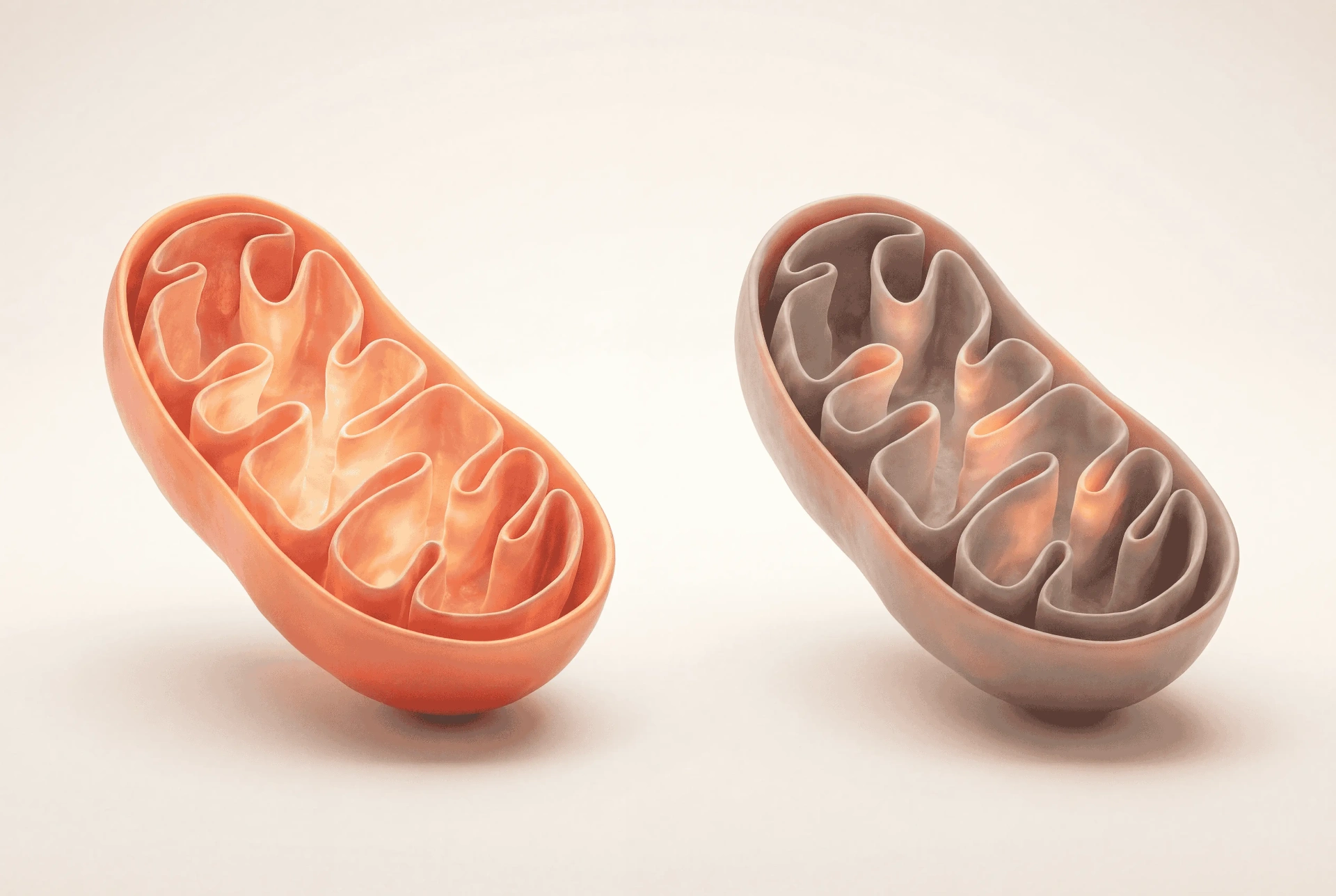
    Healthy versus depleted mitochondria showing ATP production collapse
    04
    ATP Crash in Skin Stem Cells
    The fuel gauge runs dry, cells start apoptosing

    Rapid caloric restriction drops circulating fuel below what progenitor cells need to maintain their normal metabolic state. .

    Less ATP means less protein synthesis, less repair, less migration, less of every energy-dependent function. Skin stem cells either go dormant or die.

    Red Light Counter

    This is exactly what photobiomodulation was discovered to fix. Red light at 630 to 660nm boosts mitochondrial ATP production by 150 to 200 percent by accelerating electron transport chain activity at cytochrome c oxidase. It is a non-pharmacological energy infusion delivered through skin.

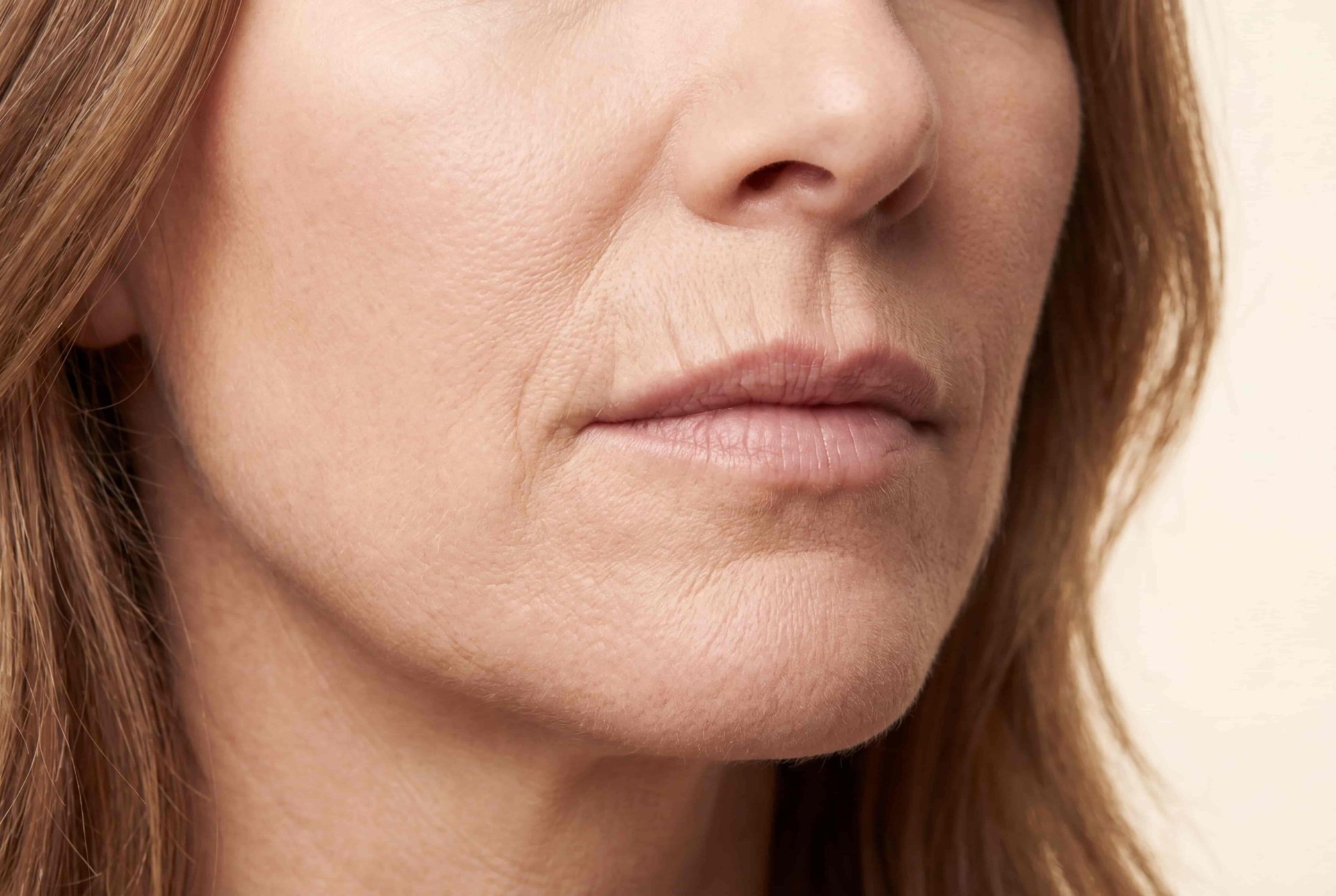
    Perioral fine lines and volume loss from local estrogen depletion in the dermis
    05
    Estrogen Suppression in the Dermis
    DWAT loss removes a local estrogen factory that drives collagen synthesis

    The dermis manufactures its own estrogen locally through aromatase activity in DWAT. and respond to local estrogen by ramping up collagen production. When rapid fat loss reduces DWAT volume, that local estrogen supply collapses.

    The clinical effect is functionally indistinguishable from accelerated menopause-pattern skin aging. This is part of why postmenopausal women going through significant weight loss often experience the most dramatic facial changes.

    Red Light Counter

    Red light bypasses the estrogen pathway entirely. It stimulates fibroblast collagen synthesis directly through ATP-mediated upregulation of COL1A1 and COL3A1 genes. Studies show a 31 percent increase in collagen density after 12 weeks of consistent red light at 660nm, achieved without any hormonal intervention.

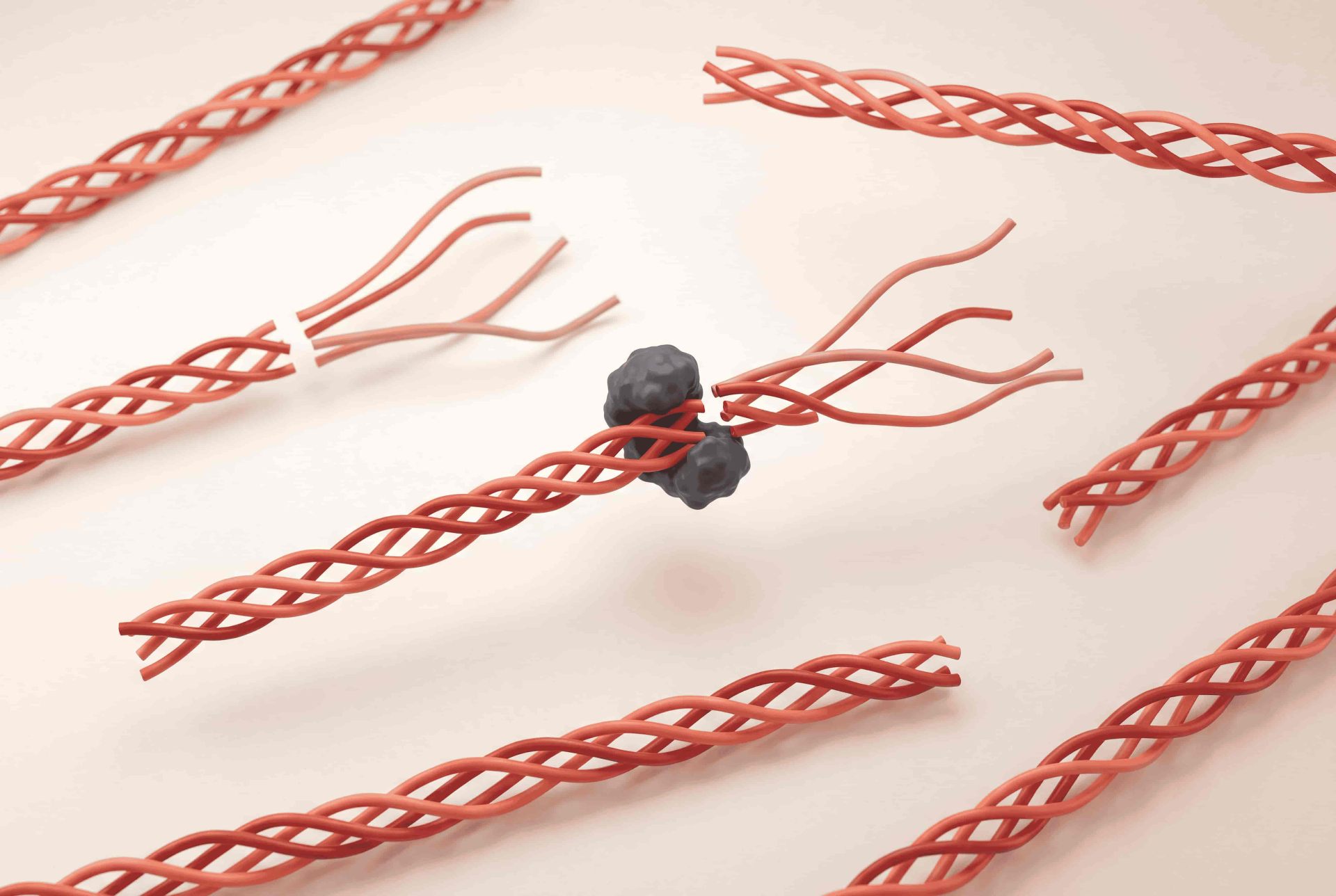
    Collagen triple helices being cleaved by MMP-1 enzymes in the dermis
    06
    MMP-1 Surge (Collagen Scissors)
    The enzymes that chop existing collagen go into overdrive

    Matrix metalloproteinase-1 (MMP-1) is the enzyme responsible for cleaving type I and III collagen, the structural backbone of youthful skin. Under normal conditions it operates in a tight balance with new collagen synthesis. : MMPs go up while procollagen goes down. The dermis enters net-negative collagen state.

    Cleveland Clinic dermatologists report this clinically as the rapid appearance of wrinkles and loose skin that "won't fade with time," meaning the structural protein has been lost, not displaced.

    Red Light Counter

    Photobiomodulation downregulates MMP-1 and MMP-9 expression while simultaneously upregulating type I and III collagen synthesis. It flips the dermis back into anabolic state, building structural protein faster than it breaks down.

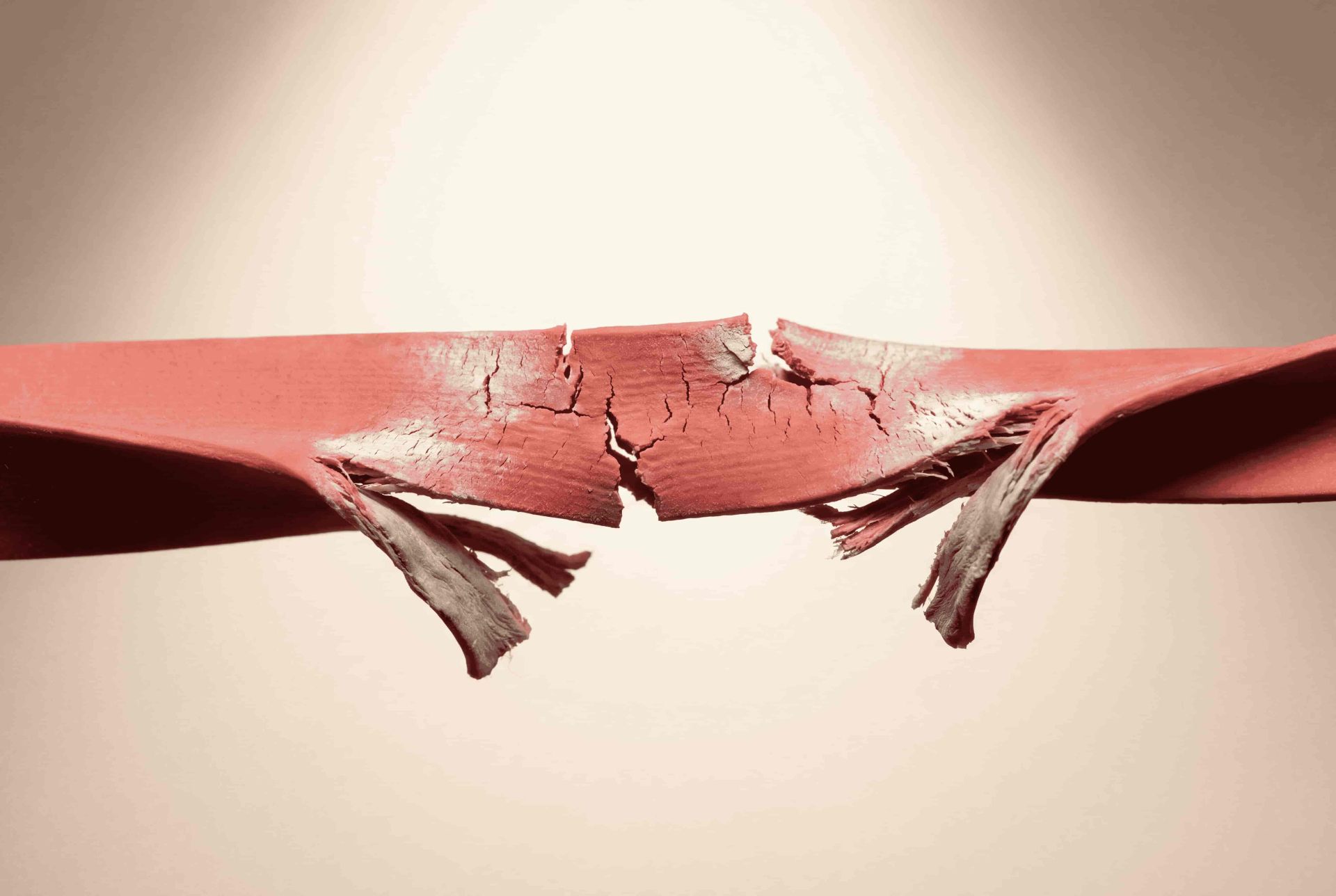
    Snapped elastin fiber cracking apart, losing its recoil
    07
    Elastin Collapse
    Skin loses its snap-back capacity

    Collagen provides structure. Elastin provides the recoil. The Cleveland Clinic specifically identifies elastin loss as one of the three core mechanisms of facial aging after rapid weight loss, alongside fat loss and collagen depletion. Reduced elastin is why pinched skin no longer snaps back, why the jawline loses definition, and why the nasolabial folds deepen permanently.

    The same cascade that destroys collagen (oxidative stress, MMP activity, estrogen withdrawal) also degrades elastin fibers. , accelerating loss of mechanical resilience.

    Red Light Counter

    Red light induces elastin synthesis alongside collagen, with clinical trials showing improved skin elasticity measured by cutometer within 8 to 12 weeks of consistent treatment. The mechanism is the same ATP-mediated protein synthesis upregulation.

    The Cellular Cascade, Visualized

    Here is what is happening inside a single square millimeter of facial dermis during rapid weight loss. The animation runs in real time at roughly the speed of the biology.

    The Rapid Fat Loss to Skin Aging Cascade
    Adipose-derived stem cell silencing triggers a six-step downstream collapse. Each step independently accelerates dermal aging.
    01 · THE TRIGGER
    METABOLIC SIGNAL
    ↓signals dermis
    02 · SHUTDOWN
    SUPPRESSED
    ↓
    03 · CASCADE
    No CytokinesIGF ↓
    ATP CrashGlucose ↓ 40%
    No EstrogenDWAT aromatase ↓
    ↓
    04 · COLLAPSE
    COLLAGEN BREAKDOWN

    One trigger. Four stages. Continuous damage as long as rapid fat loss continues.

    Each red dot you see pulsing in the animation represents a single reactive oxygen species molecule. Multiply that by the trillions of fibroblasts in the dermis and the cellular insult becomes a structural one within weeks.

    The Collagen Timeline: With And Without Intervention

    This is the projection that should drive everyone going through significant weight loss to take this seriously. Two patients, identical starting dermis, identical rate of loss. One uses red light therapy at 630 to 660nm three to five sessions per week. The other does not. Twelve months later, the collagen density gap is dramatic.

    Projected Facial Collagen Density Over 12 Months
    Modeled from published collagen turnover rates, weight-loss-related MMP-1 upregulation, and clinical red light therapy data (Wunsch & Matuschka, 2014; Lee et al., 2013)
    Rapid weight loss aloneRapid weight loss + Red Light Therapy (3-5x/week)Baseline (no intervention)
    WEIGHT LOSS ALONE
    -30%
    collagen by month 9
    + RED LIGHT
    +31%
    above baseline by month 12
    61%density gap between treatments

    Model assumptions: significant weight loss over 16 weeks, baseline collagen density set to 100, MMP-1 upregulation +18% (Paschou 2025), red light treatment at 660nm, 50 J/cm², 5 minutes per session, 4 sessions per week. Real-world results vary by skin baseline, age, and consistency.

    The collagen lost during the first six months of rapid weight loss is not coming back on its own. The only question is whether you intervene with something that rebuilds it actively, or accept the changes.
    WHY THE STANDARD ADVICE FALLS SHORT

    What Fillers and Slower Weight Loss Actually Address

    Both standard recommendations target only one of the seven mechanisms.

    MechanismFillersSlower LossRed Light
    Fat depletion✓ masks~ slows✓ rebuilds
    ADSC suppression✗✗✓
    Oxidative damage✗~✓
    ATP crash✗~✓ +200%
    Estrogen suppression✗✗✓ bypasses
    MMP-1 surge✗✗✓ inhibits
    Elastin loss✗✗✓ synthesizes

    Cosmetic procedures are reactive. They restore volume after structure has been lost. Red light therapy is preventive and regenerative. It tells your cells to keep making the structure in the first place. If you are entering a significant weight loss phase, beginning red light protocol in parallel is the difference between treating the change and watching the damage accumulate.

    The Clinical Evidence for Red Light at 630 to 660nm

    These are the published outcomes from controlled trials of red light therapy in skin aging contexts, directly addressing the same downstream mechanisms triggered by rapid weight loss.

    +31%
    collagen density increase after 12 weeks of red light at 660nm
    Wunsch & Matuschka (2014), Photomedicine and Laser Surgery
    +200%
    ATP production boost in mitochondria via photobiomodulation
    Hamblin (2017), AIMS Biophysics
    -36%
    reduction in fine lines and wrinkles after 12 weeks consistent use
    Lee et al. (2013), Dermatologic Surgery
    91%
    of patients reported improved skin texture and tone after 4 weeks
    Barolet et al. (2020), Journal of Cosmetic Dermatology
    -42%
    decrease in skin roughness after 8 weeks of LED phototherapy
    Sadick et al. (2015), Lasers in Surgery and Medicine
    8-12 wks
    consistent use for measurable clinical improvement, 3 to 5 sessions per week
    Consensus across all major LED therapy trials
    THE COUNTER-PROTOCOL

    How Red Light Therapy Reverses Each Mechanism

    Red light at 630 to 660nm and near-infrared at 850nm are not skincare in the cosmetic sense. They are photobiomodulation, a direct intervention at the mitochondrial level that compensates for what rapid fat loss strips away.

    Red light therapy panel device delivering 630-660nm red and 850nm near-infrared light
    Photobiomodulation at home.
    PhotonsCytochrome c oxidase
    ATP surgeCollagen synthesis

    The cellular logic

    Cytochrome c oxidase (Complex IV of the electron transport chain) is the primary chromophore for red light at 630 to 660nm. When photons of that wavelength strike the mitochondria, they displace inhibitory nitric oxide, accelerate electron transfer, and surge ATP production.

    That ATP is the currency for everything rapid fat loss is starving: protein synthesis (collagen, elastin), stem cell migration, antioxidant defense, membrane repair. The red light refuels the cells that the metabolic shift has drained.

    This is also why near-infrared at 850nm matters specifically here. The 4 to 5mm penetration depth reaches the dermal white adipose tissue layer where ADSCs live. NIR is what restores function in the deepest affected layer.

    The Best LED Devices for Post Weight-Loss Skin Recovery

    Not every LED device is built for this use case. For facial volume loss specifically, the priority order is: high LED density (to deliver sufficient dose), neck and jawline coverage (jowls are the most visible marker), and red wavelength.

    Here are the devices we recommend for anyone entering or in a significant weight-loss phase.

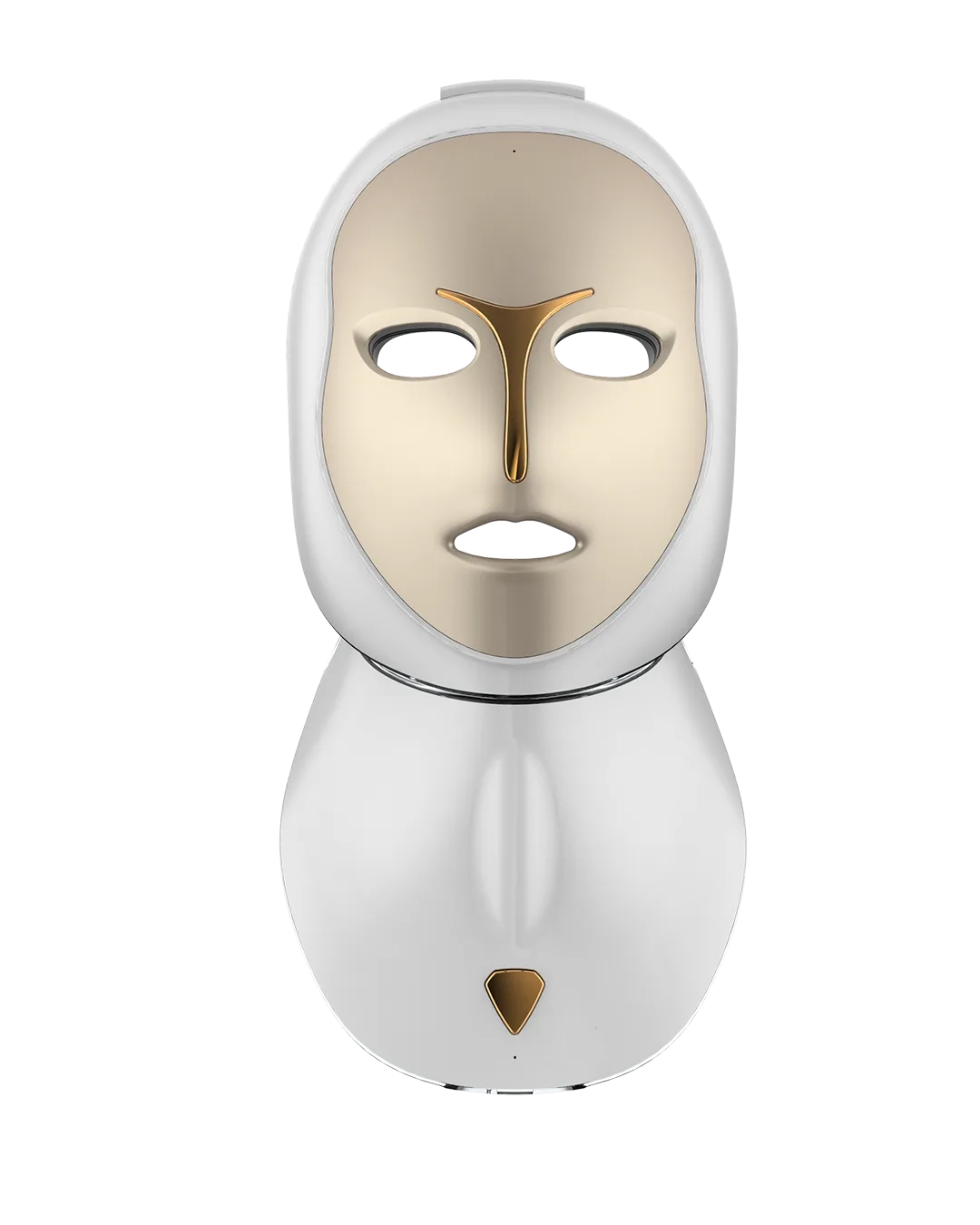
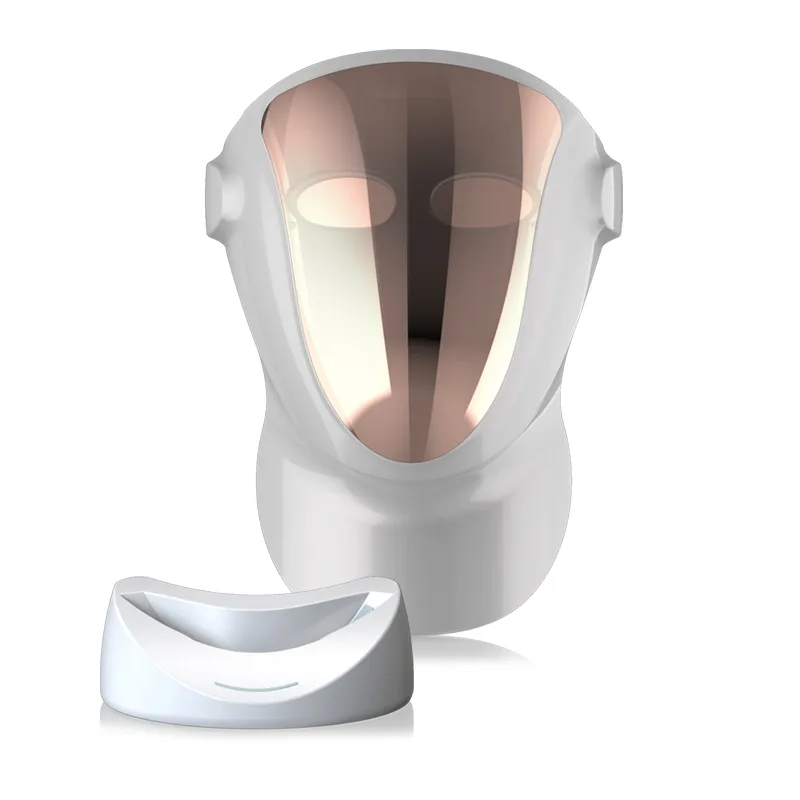
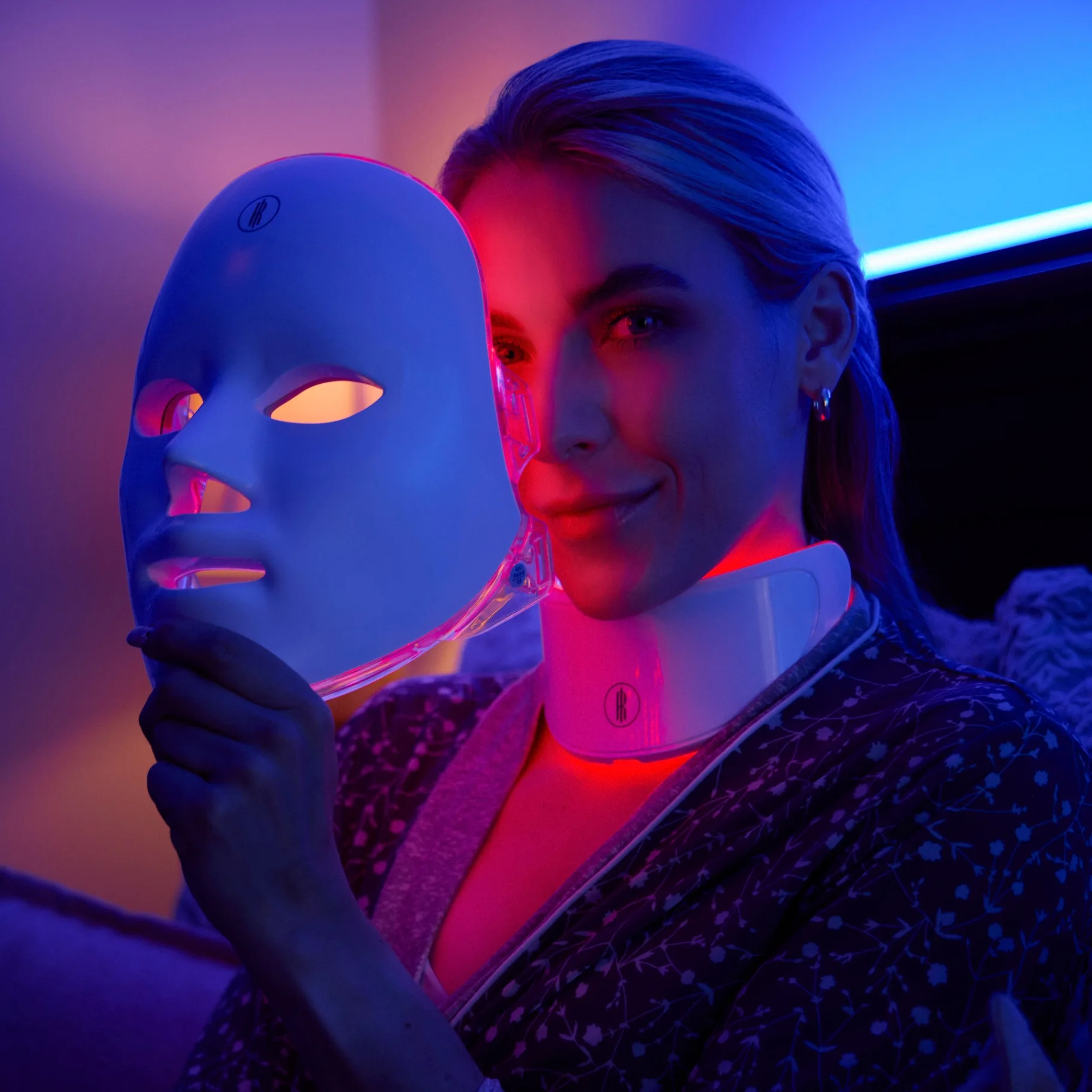
    Artemis LED Mask + Neck Plate

    1080 - 1164 high-density LEDs with 7 wavelengths including 630 to 660nm red and 850nm NIR. Full décolletage coverage matters more than people realize after significant weight loss, since the neck and jawline show volume loss first. The app's customizable settings let you target jowls, nasolabial folds, and undereye hollowing with separate protocols. The real reason to invest at this tier is the NIR depth and LED density.

    "For people concerned about facial changes after rapid weight loss, the combination of 660nm red and 850nm NIR with neck plate coverage targets exactly the layers and locations where volume loss shows first. This is the device I recommend when budget is not a constraint."

    - Dr. Rachel Chen, Board-Certified Dermatologist

    Pros:

    NIR included, full neck coverage, 1080 - 1164 LEDs, app-customizable zones, wireless

    Cons:

    Premium price point

    SHOP ON ARTEMISMASK.COM

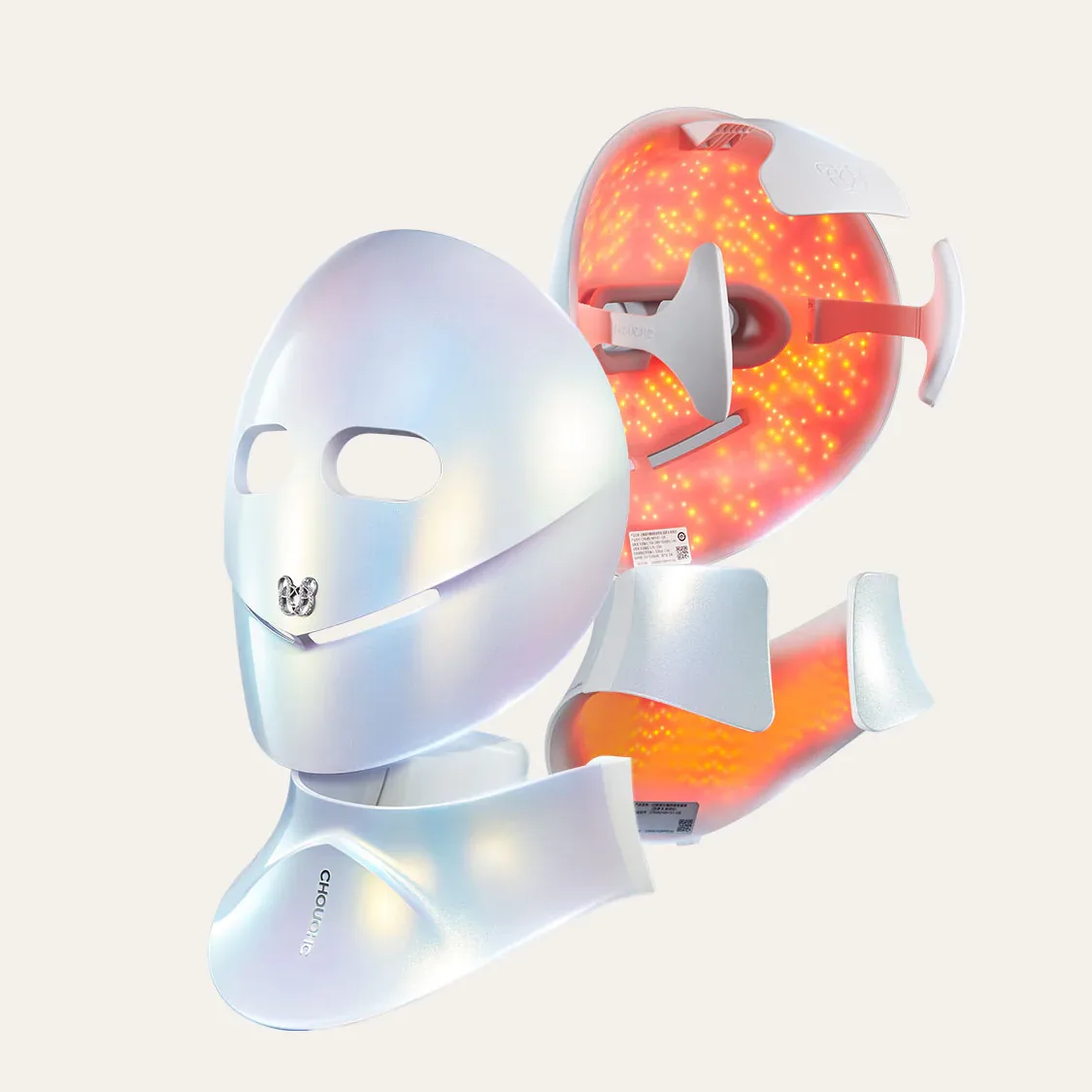
    CHOUOHC Radiance LED Mask

    1528 LEDs, the highest count on this list, with 66-point facial mapping for contour. Older adults experience the most pronounced post-weight-loss facial changes because they start with lower subcutaneous fat reserves. The CHOUOHC's coverage density is the practical answer to that, every square millimeter of face and neck receives consistent dose. The 6 preset modes mean no decision fatigue. Strapless system also means you can use it lying down.

    "With 1528 LEDs and 66-point contour mapping, this delivers consistent light dose across every region of the face including the often-undertreated jawline. For mature patients dealing with facial volume loss, treatment uniformity is what produces results."

    - Dr. James Park, Clinical Dermatologist

    Pros:

    Highest LED count, lightweight, full décolletage, strapless, push-button modes, giftable packaging

    Cons:

    Premium price, has remote (but not cumbersome)

    SHOP ON CHOUOHCTOKYO.COM

    Aluralight Modular LED Mask

    807 high-powered LEDs with a detachable neck piece, which is the feature that matters most here. People who have lost significant weight often see jowl and neck changes earlier than midface, but most days they want a 20-minute face-only session. The Aluralight lets you mix and match: face only for daily maintenance, full set for weekly deep-coverage sessions targeting volume-loss zones. The 3 smart-chip modes deliver clinical-grade dose without you needing to manage settings.

    "The detachable neck piece is genuinely clinically useful, not a marketing feature. Facial changes after rapid weight loss start at the jawline and propagate upward, so being able to target the lower face on demand changes treatment compliance dramatically."

    - Dr. Jennifer Matthews, Cosmetic Dermatology

    Pros:

    Modular (face only or with neck), wireless, charger base, dual-voltage, 807 LEDs

    Cons:

    Not great for multi-tasking, mid-premium price

    SHOP ON ALURALIGHT.COM

    Cleolight LED Mask

    672 LEDs with 5 different wavelengths. The most relevant feature for people in active weight loss: built-in neck coverage at a mid-range price. Postmenopausal women losing weight are the demographic experiencing the most dramatic facial changes (per the Athens study's discussion of estrogen mechanisms), and the Cleolight specifically addresses the neck and jawline where those changes show first. App-controlled, fully wireless, reasonable price for the included coverage.

    "Five wavelengths provide versatile treatment options for patients whose skin barrier is in flux. The combination of face and neck coverage helps address the areas where rapid weight loss changes often appear first."

    - Dr. Michael Torres, Aesthetic Dermatology

    Pros:

    Neck coverage included, wireless, 5 wavelengths, 672 LEDs, app included

    Cons:

    Adjustable strap could use improvement but it still works well

    SHOP ON CLEOLIGHT.COM

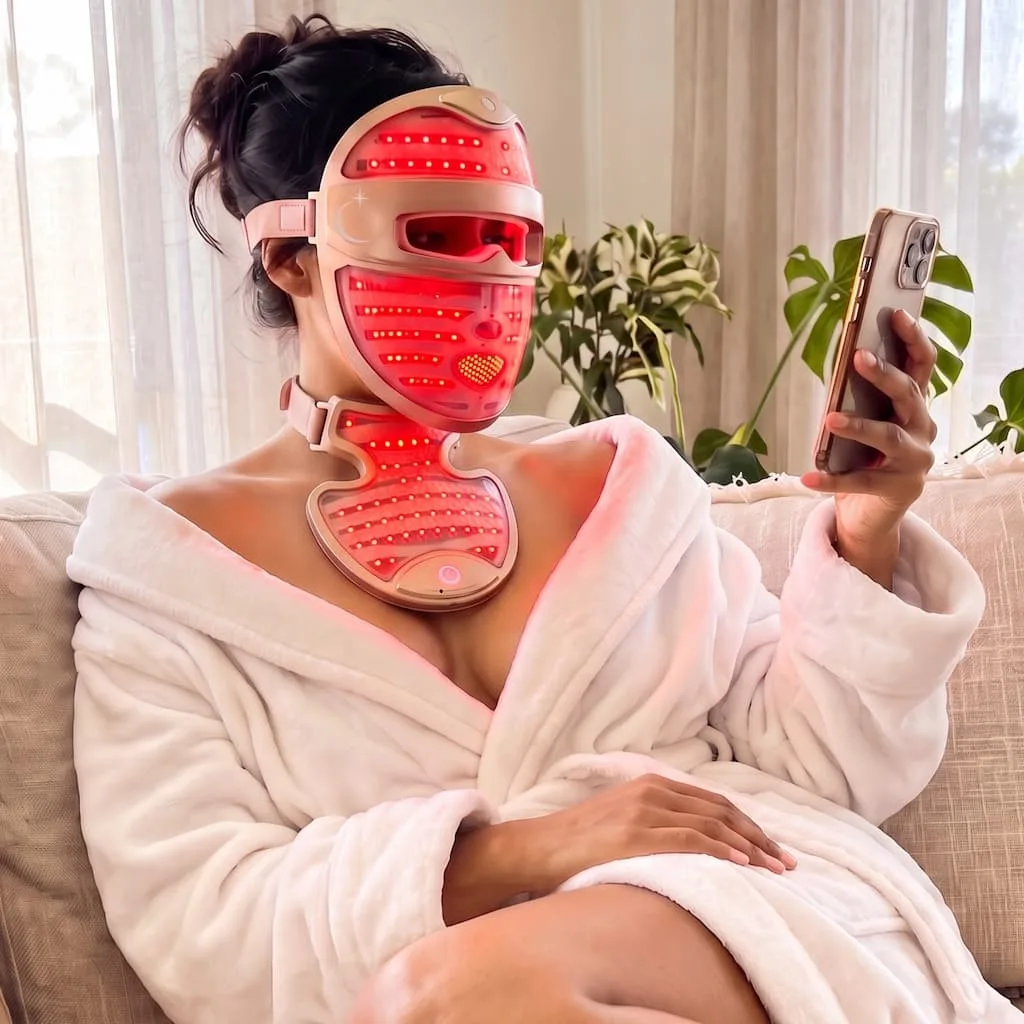
    Regenalight LED Mask + Neck

    The most accessible price point on this list, and it does not compromise the wavelengths that matter. 7 colors including 630 to 660nm red, wireless, with the new neck mask add-on. For someone newly entering a weight-loss phase who wants to start a preventive red light protocol immediately without committing to a four-figure device, this is the right starting point. The compounding biology starts the day you begin the protocol.

    "An excellent entry point for patients beginning a significant weight loss journey who want to start cellular-level intervention immediately. Wallet-friendly without compromising the essential wavelengths needed for collagen synthesis."

    - Dr. Lisa Anderson, Clinical Dermatology

    Pros:

    Wallet-friendly, neck coverage, easy tap button, wireless, 7 colors

    Cons:

    Optional strap could be improved (still secure)

    SHOP ON REGENALIGHT.COM

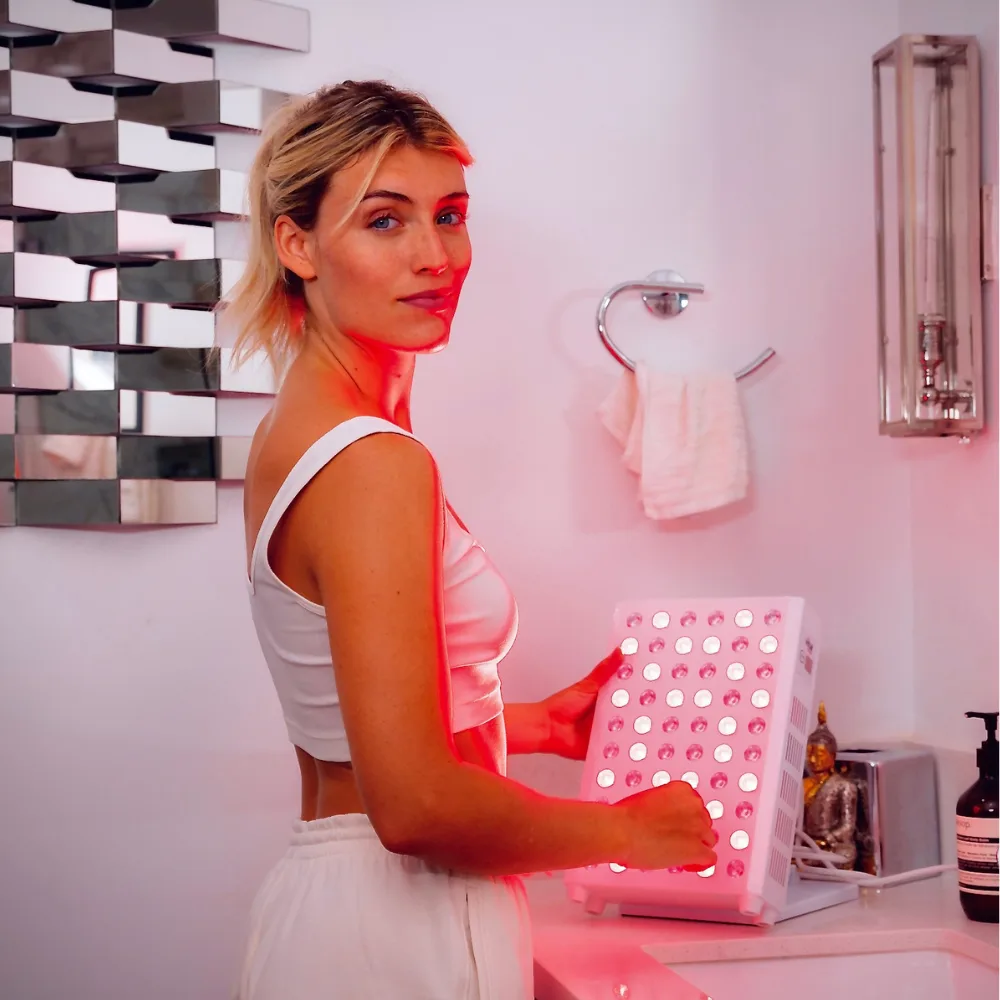
    Vital Red Light 2.0 Panel

    If facial aging is just one of your post-weight-loss concerns, a full-body panel changes the equation. Rapid weight loss affects skin across the body, and the Vital Red Light 2.0 series delivers 9 wavelengths including blue, red, NIR, and yellow, addressing acne, pigmentation, and structural recovery in a single device. The 30-minute full-body sessions are realistic during a slower-metabolism phase.

    "Having red, near-infrared, blue, and yellow in a single panel is uncommon. For patients experiencing skin changes beyond the face after rapid weight loss, body panels deliver the same wavelengths to arms, glutes, and abdomen where laxity also occurs."

    - Dr. Robert Kim, Regenerative Medicine

    Pros:

    Multiple wavelengths, voice control, full-body options, adjustable, voice commands

    Cons:

    Pricey, larger units are heavy (signals quality)

    SHOP ON VITALREDLIGHT.COM

    Swap Red Light Phone Converter

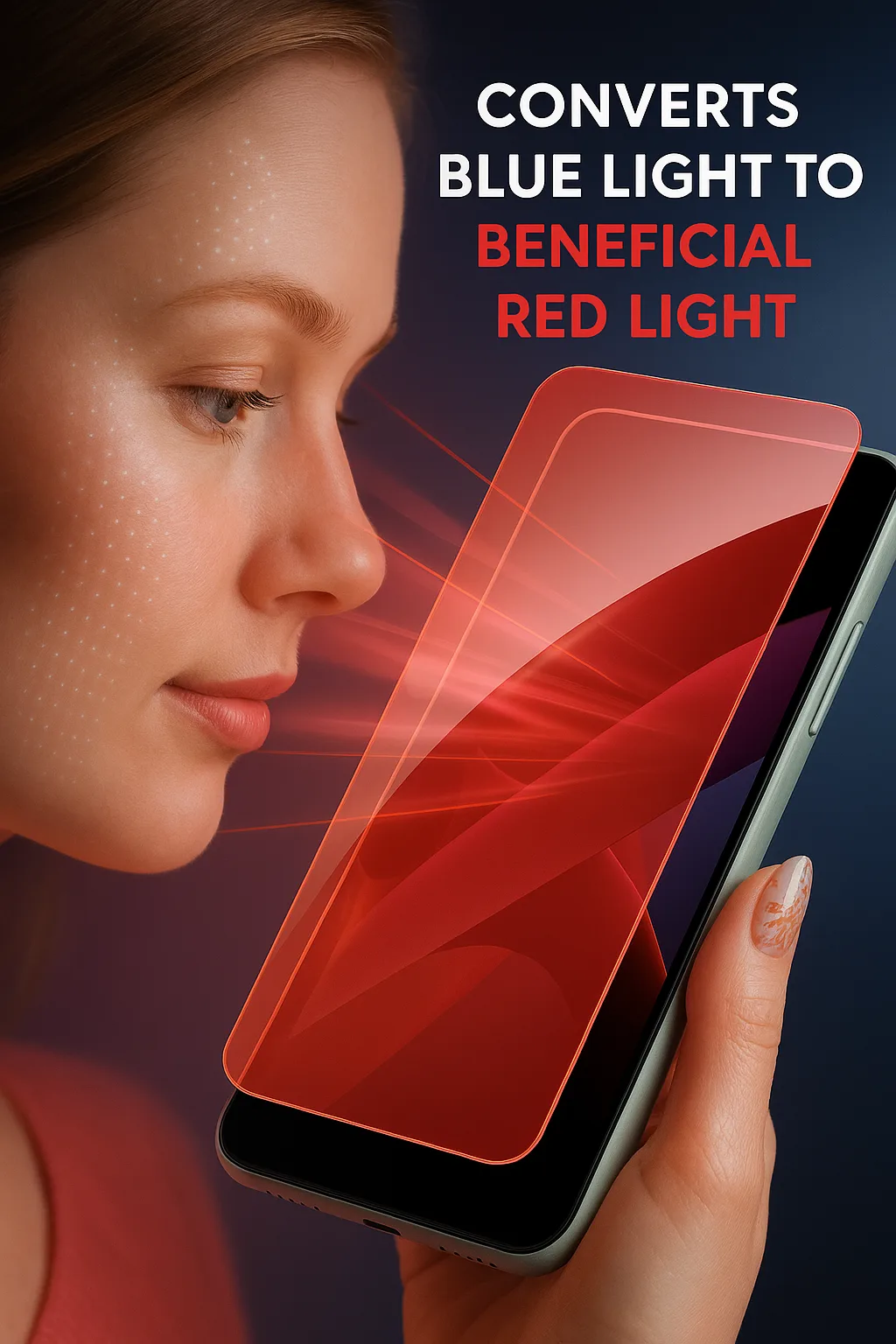
    Reality check: most people will not use an LED mask 5 times a week for 12 months. Compliance erodes around month three. The Swap Red Light Converter solves that with passive exposure during the hours you are already on your phone. LumaShift Technology converts harmful blue light from your screen into beneficial red. It will never replace dedicated mask sessions for collagen rebuilding, but it provides a compounding low-dose baseline that supports mitochondrial function. Think of it as the dietary fiber of red light therapy.

    "Cumulative exposure over hours of daily phone use provides measurable benefits, particularly for patients whose dedicated treatment compliance fades over time. A smart preventive layer for anyone in a sustained weight-loss phase."

    - Dr. Amanda White, Preventive Dermatology

    Pros:

    Effortless, no wires, acts as screen protector, barely tints screen

    Cons:

    iPhone only, lower power than dedicated devices (but compounding)

    SHOP ON SWAPRED.COM

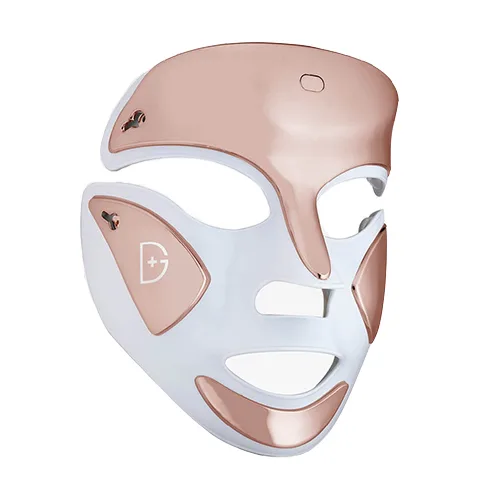
    Dr. Dennis Gross SpectraLite FaceWare Pro

    The mask that put at-home LED therapy on the map. Red and blue light in a sleek, lightweight form factor that travels well. For people who want a recognizable, dermatologist-backed brand and value portability over maximum LED density, this is the established option. The trade-off: no NIR and the lowest LED count on this list, so it is best suited to early-stage prevention rather than restoring already-visible volume loss.

    "It pioneered the at-home LED category and the brand's dermatological heritage is genuine. For people prioritizing simplicity and portability, it is a reasonable starting point, though higher-density devices with NIR tend to deliver structural results more efficiently."

    - Dr. Caroline Hughes, Board-Certified Dermatologist

    Pros:

    Iconic design, lightweight, great for travel, easy to use, trusted brand

    Cons:

    No NIR, lowest LED count, unreliable strap, no neck coverage

    SHOP ON NORDSTROM.COM

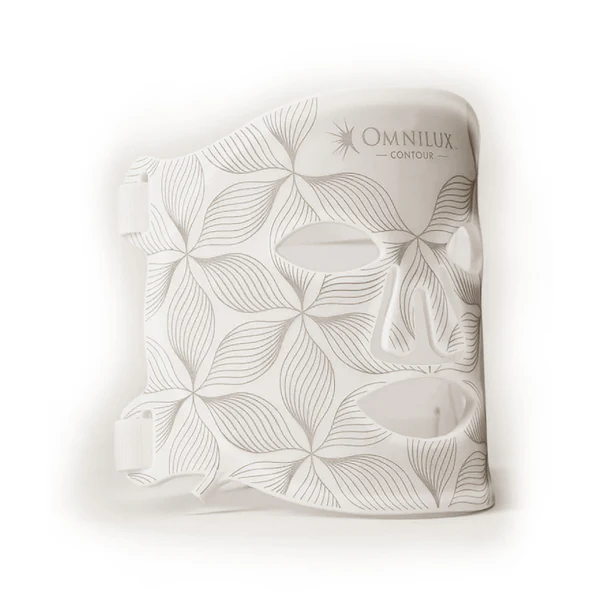
    Omnilux Contour Face Mask

    The mask you have probably seen all over social media. Omnilux Contour pairs 633nm red with 830nm NIR in a flexible silicone shell that conforms to the face. For people experiencing facial volume loss, the inclusion of NIR is the meaningful spec, it reaches the deeper layers where dermal fat loss is restructuring the dermis. The 66 diodes are modest by 2026 standards, but the wide retail availability and brand recognition make it a low-friction entry point.

    "Comfortable form factor and a recognizable name in the space. The red plus NIR combination is appropriate for facial changes after rapid weight loss, though the diode count is on the lower end relative to newer high-density devices."

    - Dr. Priya Patel, Board-Certified Dermatologist

    Pros:

    Includes NIR, flexible silicone conforms to face, lightweight, widely available

    Cons:

    Only 66 diodes, no neck coverage, strong out-of-box chemical smell, wired

    SHOP ON NORDSTROM.COM

    Best Accessory: It's a Tie

    Two ways to sculpt and depuff. Japanese EMS with warming and cooling, or classic Bian stone Gua Sha with heat.

    CHOUOHC Pearl Facial Sculpting Device

    A butterfly shaped handheld from the Tokyo team behind the Chouohc mask, combining red light, warming heat, dual frequency EMS, and rapid cooling to 13°C in a four minute ritual. The EMS is the standout spec here. Its gentle muscle contraction gives the cheeks and jawline a toned, lifted look while your mask handles collagen. Pair it with a daily mask protocol to focus on the lower face, where volume loss shows first.

    "Thermal contrast and gentle muscle stimulation give patients a way to support facial contours while LED works on the dermis. As an adjunct to a daily mask protocol, it's a strong option for the cheeks and jawline after rapid weight loss."

    - Dr. Emily Tanaka, Cosmetic Dermatology

    Pros:

    Four therapies in one (red light, heat, dual frequency EMS, 13°C cooling), four minute routine, morning depuffing, massage gel included

    Cons:

    Pricey, smaller treatment area than a full face mask so it works best alongside one

    SHOP ON CHOUOHCTOKYO.COM

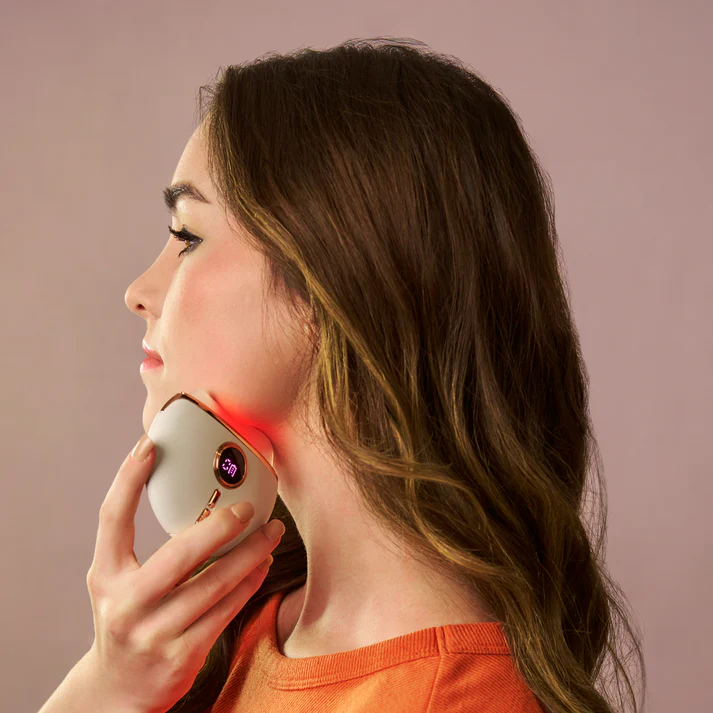
    Dermacrest Gua Sha LED Device

    A crescent-shaped handheld that combines red light, gentle heat, vibration massage, and real Bian stone Gua Sha. The value here is targeted lower-face work, jawline, jowls, and nasolabial folds, the exact zones where rapid fat loss creates redundant tissue. Use it as an add-on to a mask protocol, not a replacement. The lymphatic drainage and product absorption benefits stack cleanly on top of LED mask sessions.

    "Pairing LED with manual sculpting addresses the redistribution side of post-weight-loss facial changes, not just the cellular side. As an adjunct to a daily mask protocol, it gives patients something tactile to do for the jawline and neck where laxity shows first."

    - Dr. Sophie Zhang, Integrative Dermatology

    Pros:

    Multi-modal (LED, heat, massage, Gua Sha), wireless, real Bian stone, targeted

    Cons:

    Stone could extend further, arms can get tired during longer sessions

    SHOP ON DERMACREST.COM

    The 12-Week Post Weight-Loss Skin Recovery Protocol

    This is the protocol we recommend for anyone entering or already in a significant weight-loss phase who wants to actively counter the cellular mechanisms outlined above. The single most important variable is consistency. Frequency of use, not session length, drives the mitochondrial response. Whatever device you choose, follow the manufacturer's recommended session length and focus on showing up daily.

    Weeks 1 to 2
    Activation

    Begin daily sessions immediately. Use red light therapy from day one. Mitochondrial response begins within the first 48 hours. Follow your device's recommended session length.

    Weeks 3 to 4
    Habit Lock-In

    Continue daily sessions. ATP production is now elevated, fibroblasts are entering active collagen synthesis. The protocol lives or dies here. Never skip two days in a row.

    Weeks 5 to 8
    Visible Recovery

    Collagen and elastin synthesis are now peaking. Most patients see visible improvements in jawline definition and skin texture during this window. Photograph your face at week 5 and again at week 8 for a clear comparison.

    Weeks 9 to 12+
    Compounding Returns

    Treat LED therapy as a permanent skincare habit, not a 12-week sprint. Results compound month over month, and most patients report the largest visual jump between months 3 and 6. Stay consistent and the gains keep coming.

    Consistency beats duration, every time

    A 10-minute session done five times a week outperforms a 60-minute session done once a week. Mitochondrial response to red light follows a frequency curve, not a dose curve. Whatever your device's recommended session length is, the question is not how long you sit under it, but how often you show up.

    Stacking advice during active weight loss

    Three things compound the recovery protocol meaningfully:

    1. Protein intake at 1.6 to 2.0 grams per kilogram of body weight. Red light upregulates collagen synthesis but the cells need amino acid substrate to actually build the protein. People in active weight loss often eat 30 to 40 percent less protein than they did at baseline, which limits the ceiling of what photobiomodulation can produce.
    2. Vitamin C at 500mg to 1000mg daily. Collagen synthesis is vitamin C dependent. The hydroxylation of proline and lysine residues, the step that gives collagen its strength, requires ascorbate as a cofactor. Without it you are upregulating synthesis of structurally weaker collagen.
    3. Resistance training 3 times per week. Muscle mass and skin quality track together. Rapid weight loss commonly compounds skin laxity with muscle loss, while resistance training preserves both. This is also relevant for jawline definition since the masseter and platysma respond to load.

    Which is best for you after significant weight loss?

    For people dealing with facial volume loss, LED therapy is one of the most direct interventions available against the cellular mechanisms outlined above. The priority order: near-infrared inclusion matters more here (to reach the dermal fat layer where adipose-derived stem cells live), and full neck and jawline coverage matters more (because post-weight-loss facial changes show there first).

    If you want best in class density with full décolleté coverage, go for the Artemis or CHOUOHC. Both deliver the photon dose required to meaningfully restore mitochondrial ATP in dermal fibroblasts, with multi-wavelength ranges that address all seven mechanisms. These are the devices we recommend when budget is not a constraint.

    For strong mid-range options with neck coverage included, the Aluralight modular system and the Cleolight are both well-suited to anyone in active weight loss. Aluralight's detachable neck piece is genuinely useful for targeting the jowl and chin area on demand, which is where facial changes propagate first.

    If you want to start a preventive protocol immediately without a four-figure commitment, the Regenalight is the strongest budget entry. Wallet-friendly, neck coverage included, and it still hits the 630 to 660nm sweet spot that drives the collagen response.

    For a multi-use setup that doubles for muscle recovery (relevant since rapid weight loss compounds muscle loss alongside skin laxity), panels suit you best. The Vital Red Light 2.0 delivers nine wavelengths across a full-body footprint.

    For passive cumulative exposure throughout the day, the Swap Red phone converter adds a baseline of red light during normal phone use. Not a replacement for dedicated sessions, but a meaningful compounding layer for anyone on a long-term recovery protocol.

    A small note on contraindications: skip LED therapy if you are taking medications that increase photosensitivity, are pregnant, or have a history of photosensitive epilepsy. For everyone else, daily use is safe and additive.

    Frequently Asked Questions

    Dr. Kathryn Shaffer - Board-Certified Dermatologist specializing in LED light therapy and advanced skincare treatments

    About the Author

    Outside of work and conferences, there's nothing more that I enjoy than Yoga or a glass of wine. Sometimes together.

    - Kathryn Shaffer, MD

    Citations

    1. Rocha RI, et al. (2021). Skin changes due to massive weight loss: histological changes and the causes of the limited results of contouring surgeries. Obesity Surgery, 31:1505-1513.
    2. Hany M, et al. (2024). Skin changes after massive weight loss and their bariatric implications. Obesity Surgery, 34:855-865.
    3. Cantini G, di Franco A, Samavat J, Forti G, Mannucci E, Luconi M. (2015). Effect of metabolic signaling on proliferation and differentiation of human adipose stem cells. Molecular and Cellular Endocrinology, 402:43-50.
    4. Kim WS, Park BS, Kim HK, Park JS, Kim KJ, Choi JS, Chung SJ, Kim DD, Sung JH. (2008). Evidence supporting antioxidant action of adipose-derived stem cells: protection of human dermal fibroblasts from oxidative stress. Journal of Dermatological Science, 49:133-142.
    5. Zouboulis CC, Gould K. (2024). Premature skin ageing signs due to hormonal changes. Journal of the European Academy of Dermatology and Venereology, 38:197.
    6. Wang L, Jiang Y, Zhao C. (2024). The effects of advanced glycation end-products on skin and potential treatment options. Experimental Dermatology, 33:15065.
    7. Chaudhuri J, Bains Y, Guha S, Kahn A, Hall D, Bose N, Gugliucci A, Kapahi P. (2018). The role of advanced glycation end products in aging and metabolic diseases: bridging association and causality. Cell Metabolism, 28:337-352.
    8. Wunsch A, Matuschka K. (2014). A controlled trial to determine the efficacy of red and near-infrared light treatment in patient satisfaction, reduction of fine lines, wrinkles, skin roughness, and intradermal collagen density increase. Photomedicine and Laser Surgery, 32(2):93-100.
    9. Hamblin MR. (2017). Mechanisms and applications of the anti-inflammatory effects of photobiomodulation. AIMS Biophysics, 4(3):337-361.
    10. Lee SY, Park KH, Choi JW, Kwon JK, Lee DR, Shin MS, Lee JS, You CE, Park MY. (2013). Clinical evaluation of a self-applied home-use low-level light therapy device for wrinkle reduction. Dermatologic Surgery, 39(11):1657-1664.
    11. Barolet D, Christiaens F, Hamblin MR. (2020). Regulation of skin collagen metabolism in vitro using a pulsed 660 nm LED light source: clinical correlation with a single-blinded study. Journal of Cosmetic Dermatology, 19(6):1351-1359.
    12. Sadick NS, Sorhaindo L. (2015). The radiance of red light: clinical efficacy of LED phototherapy on photoaged skin. Lasers in Surgery and Medicine, 47(6):496-502.