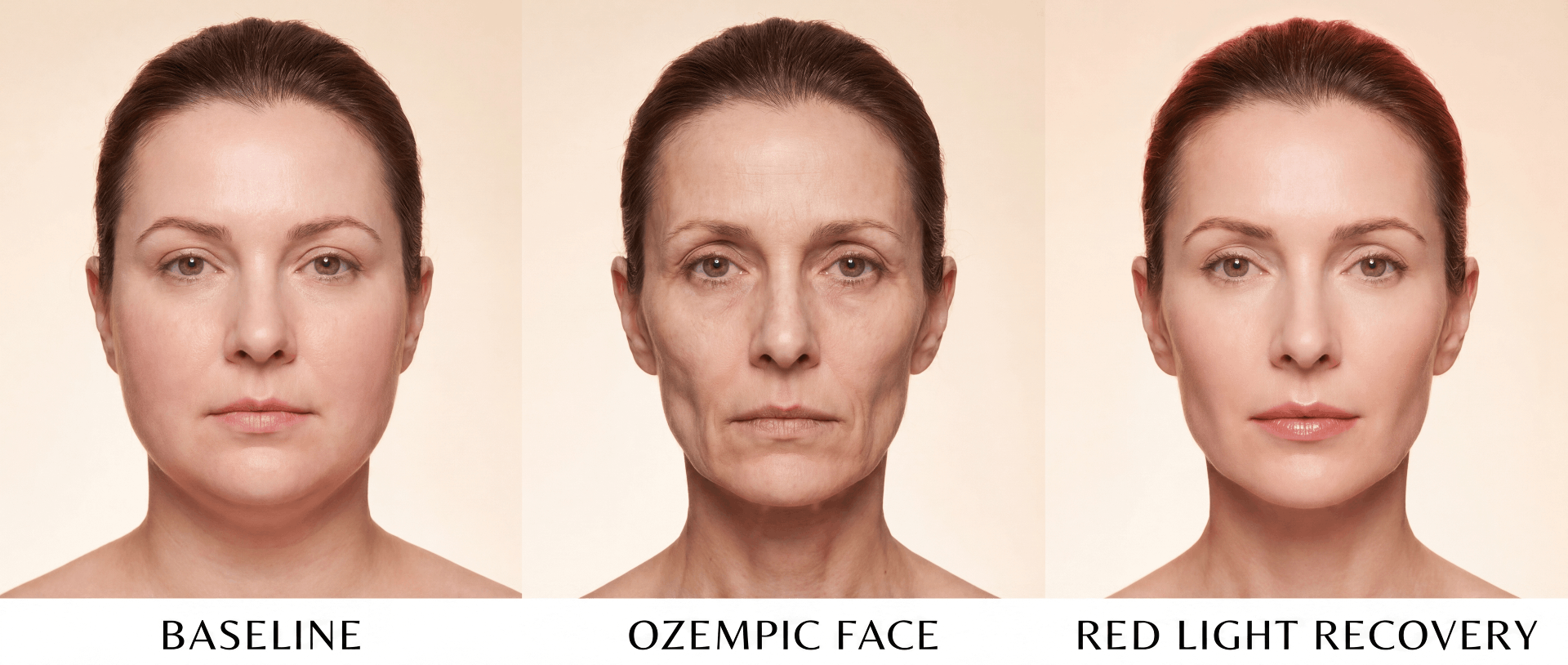
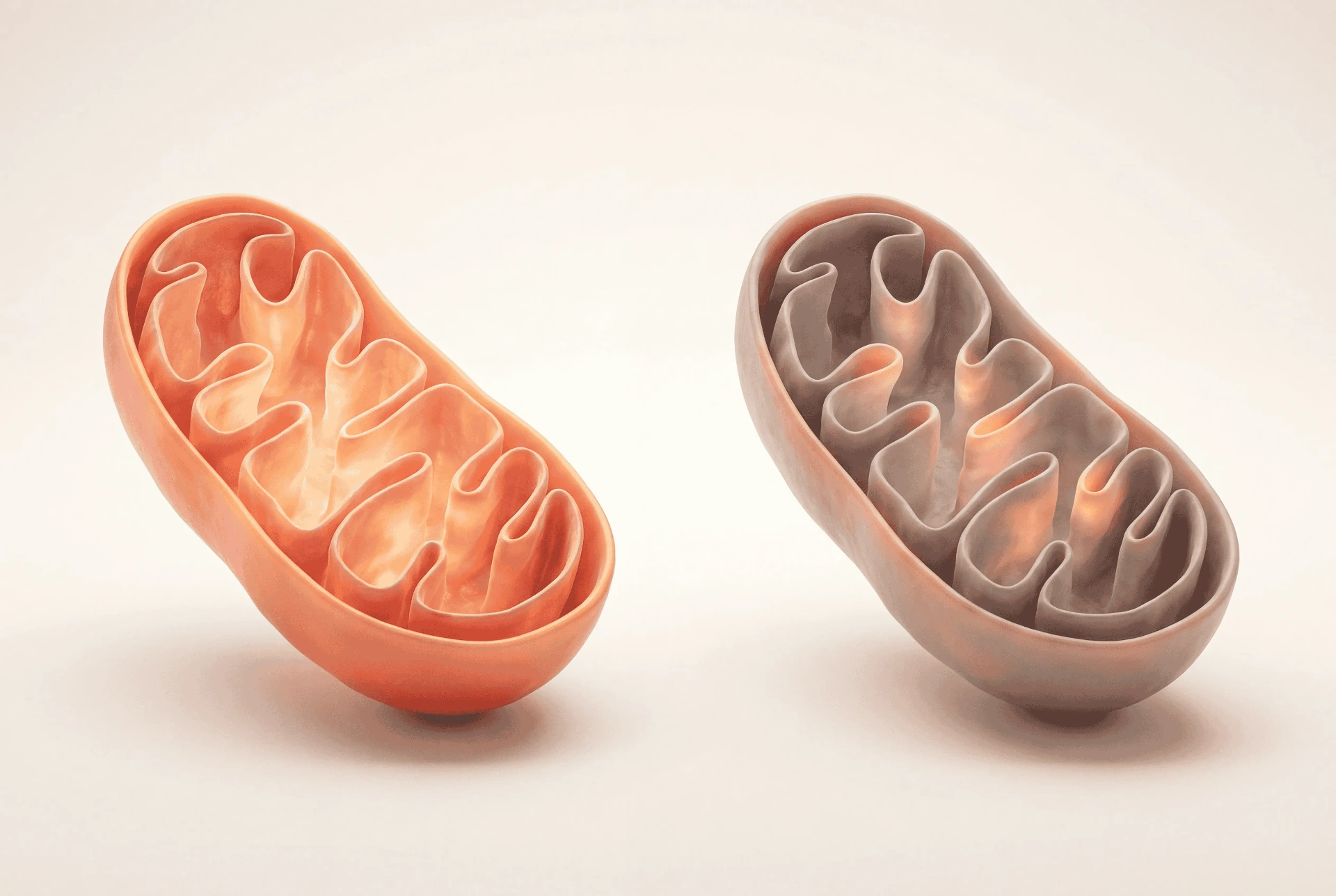
This is the protocol we recommend for patients beginning or continuing GLP-1 therapy who want to actively counter the cellular mechanisms outlined above. The single most important variable is consistency. Frequency of use, not session length, drives the mitochondrial response. Whatever device you choose, follow the manufacturer's recommended session length and focus on showing up daily.
Weeks 1 to 2
Activation
Begin daily sessions immediately. Use red and NIR together from day one. Mitochondrial response begins within the first 48 hours. Follow your device's recommended session length.
Weeks 3 to 4
Habit Lock-In
Continue daily sessions. ATP production is now elevated, fibroblasts are entering active collagen synthesis. The protocol lives or dies here. Never skip two days in a row.
Weeks 5 to 8
Visible Recovery
Collagen and elastin synthesis are now peaking. Most patients see visible improvements in jawline definition and skin texture during this window. Photograph your face at week 5 and again at week 8 for a clear comparison.
Weeks 9 to 12+
Compounding Returns
Treat LED therapy as a permanent skincare habit, not a 12-week sprint. Results compound month over month, and most patients report the largest visual jump between months 3 and 6. Stay consistent and the gains keep coming.
Consistency beats duration, every time
A 10-minute session done five times a week outperforms a 60-minute session done once a week. Mitochondrial response to red light follows a frequency curve, not a dose curve. Whatever your device's recommended session length is, the question is not how long you sit under it, but how often you show up.
Which is best for you on GLP-1?
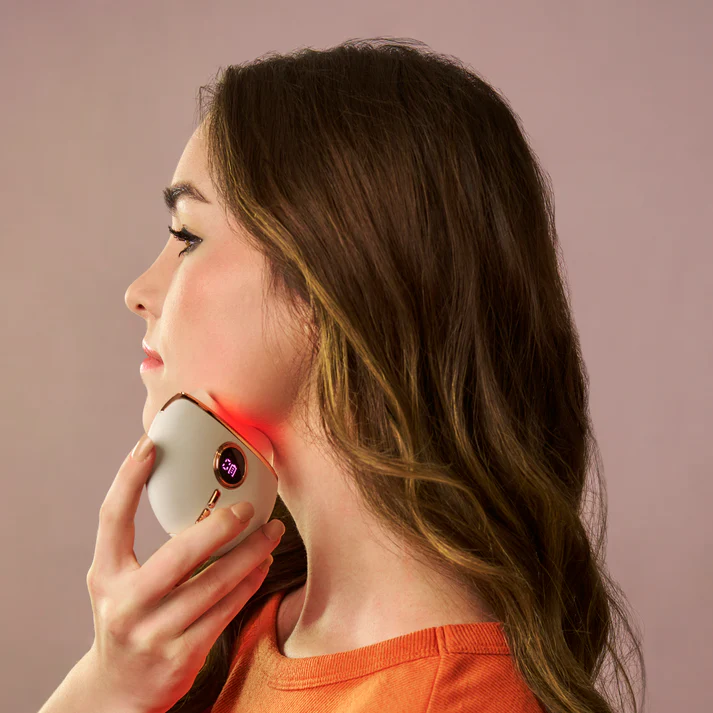
For patients on semaglutide or tirzepatide, LED therapy is one of the most direct interventions available against the cellular mechanisms outlined above. The priority order shifts slightly though: near-infrared inclusion matters more here (to reach the DWAT layer where adipose-derived stem cells live), and full neck and jawline coverage matters more (because GLP-1 facial changes show there first).
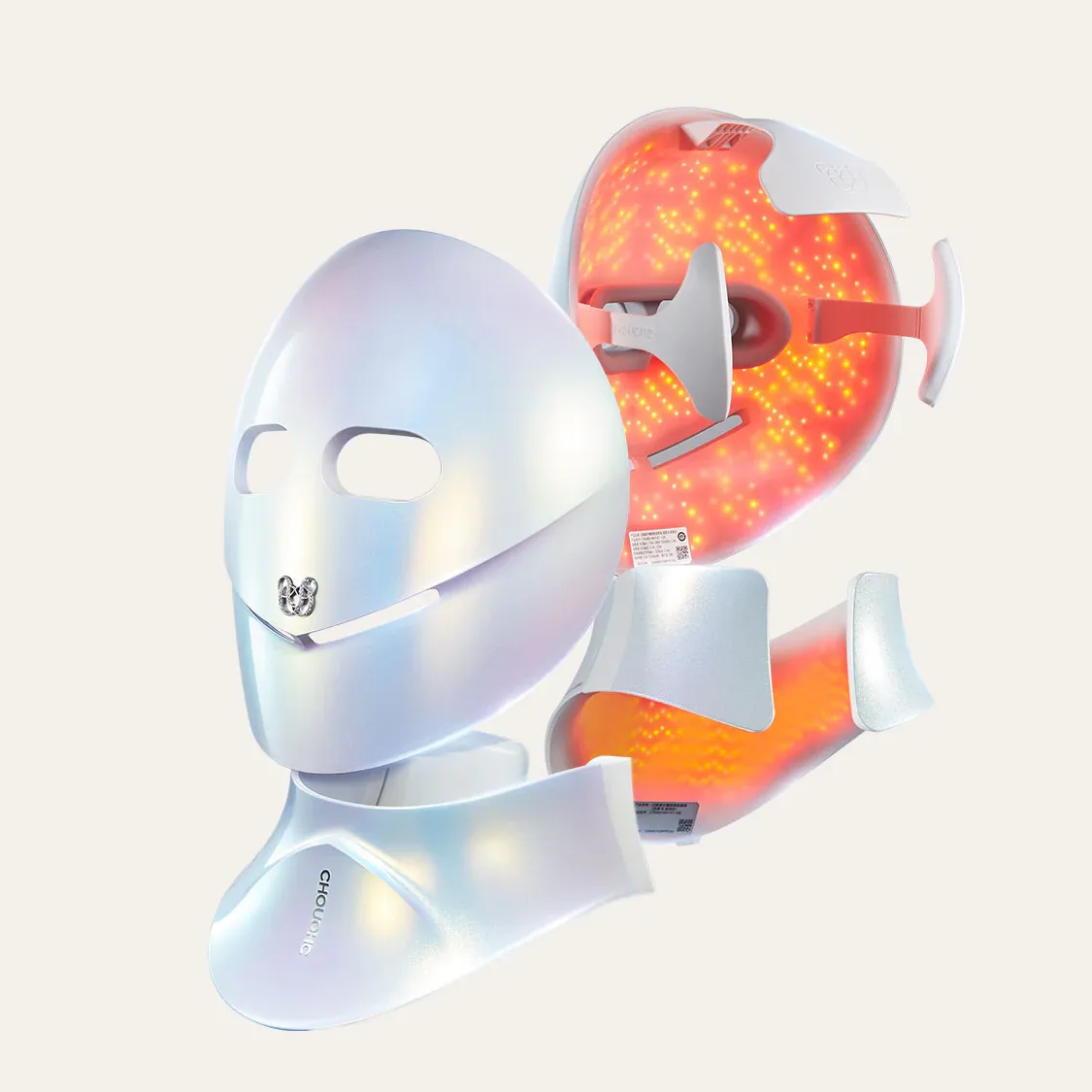
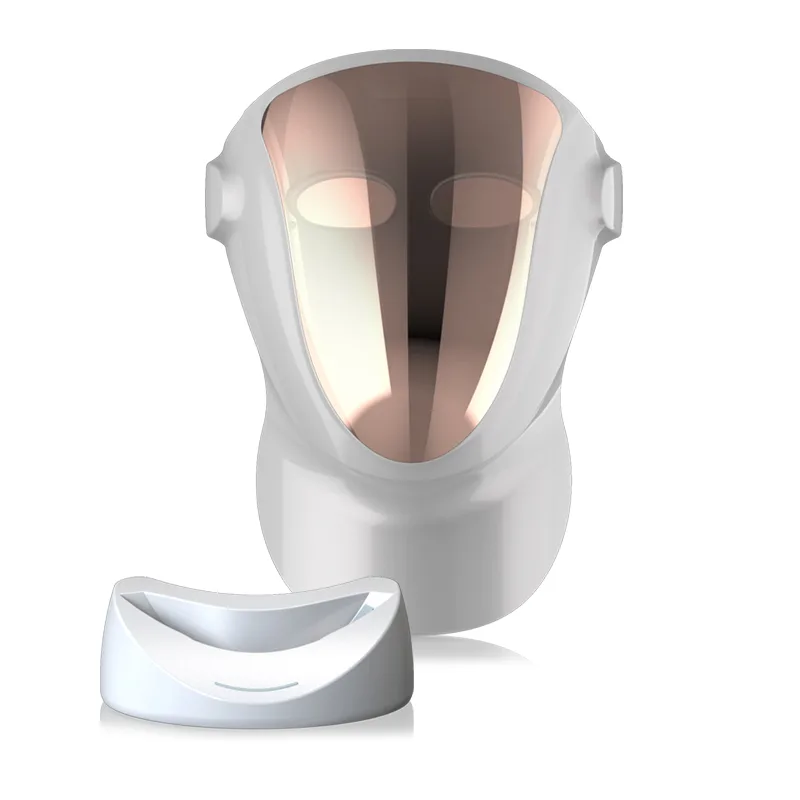
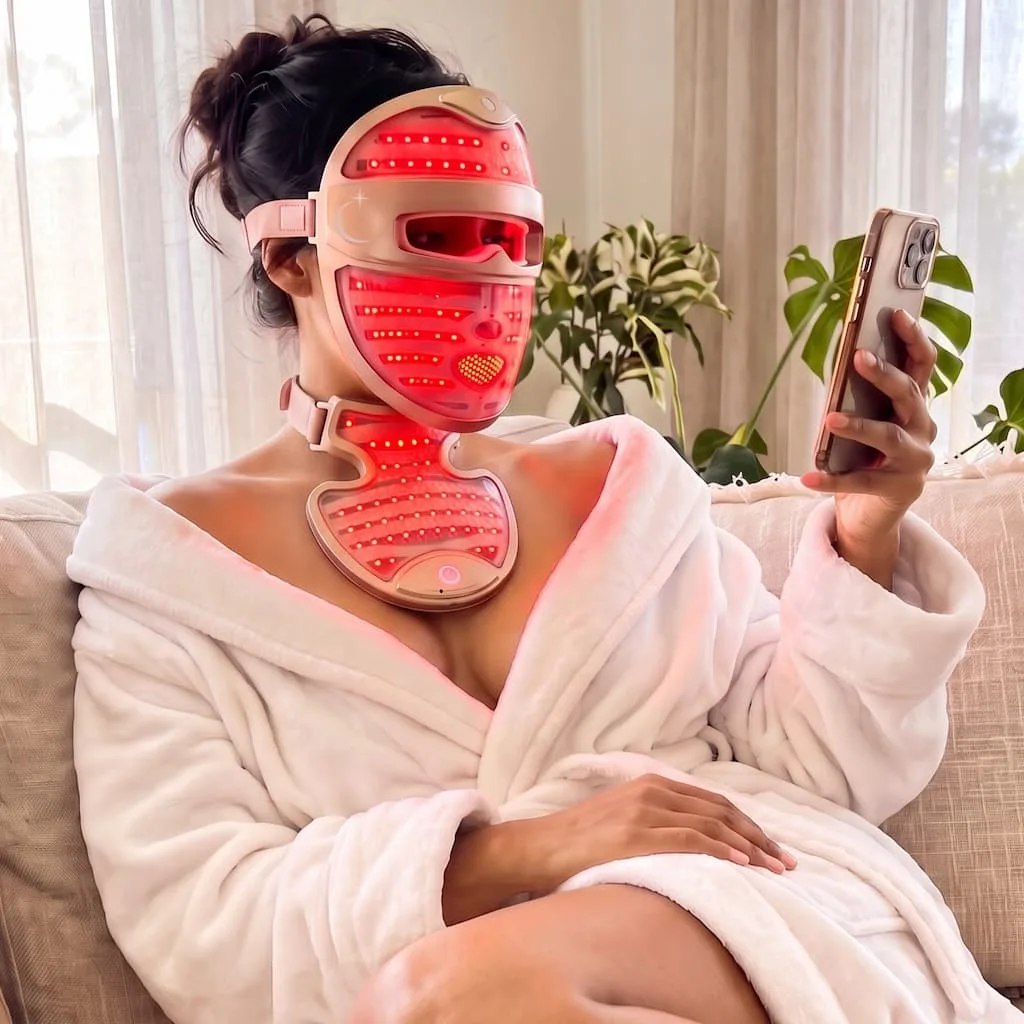
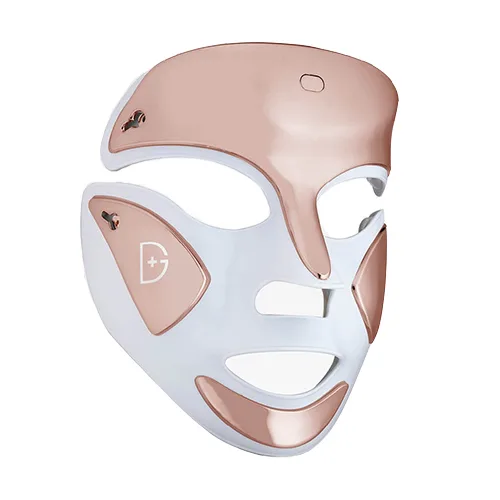
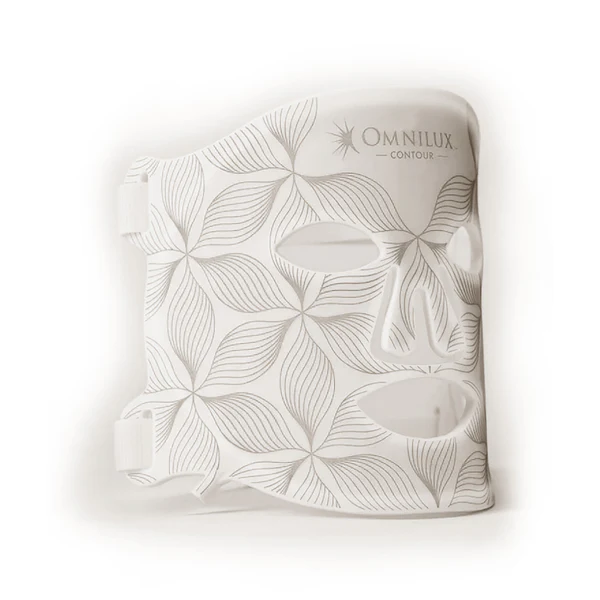
If you want best in class density with full décolletage coverage, go for the Artemis or CHOUOHC. Both deliver the photon dose required to meaningfully restore mitochondrial ATP in dermal fibroblasts, with multi-wavelength ranges that address all seven mechanisms. These are the devices we recommend when budget is not a constraint.
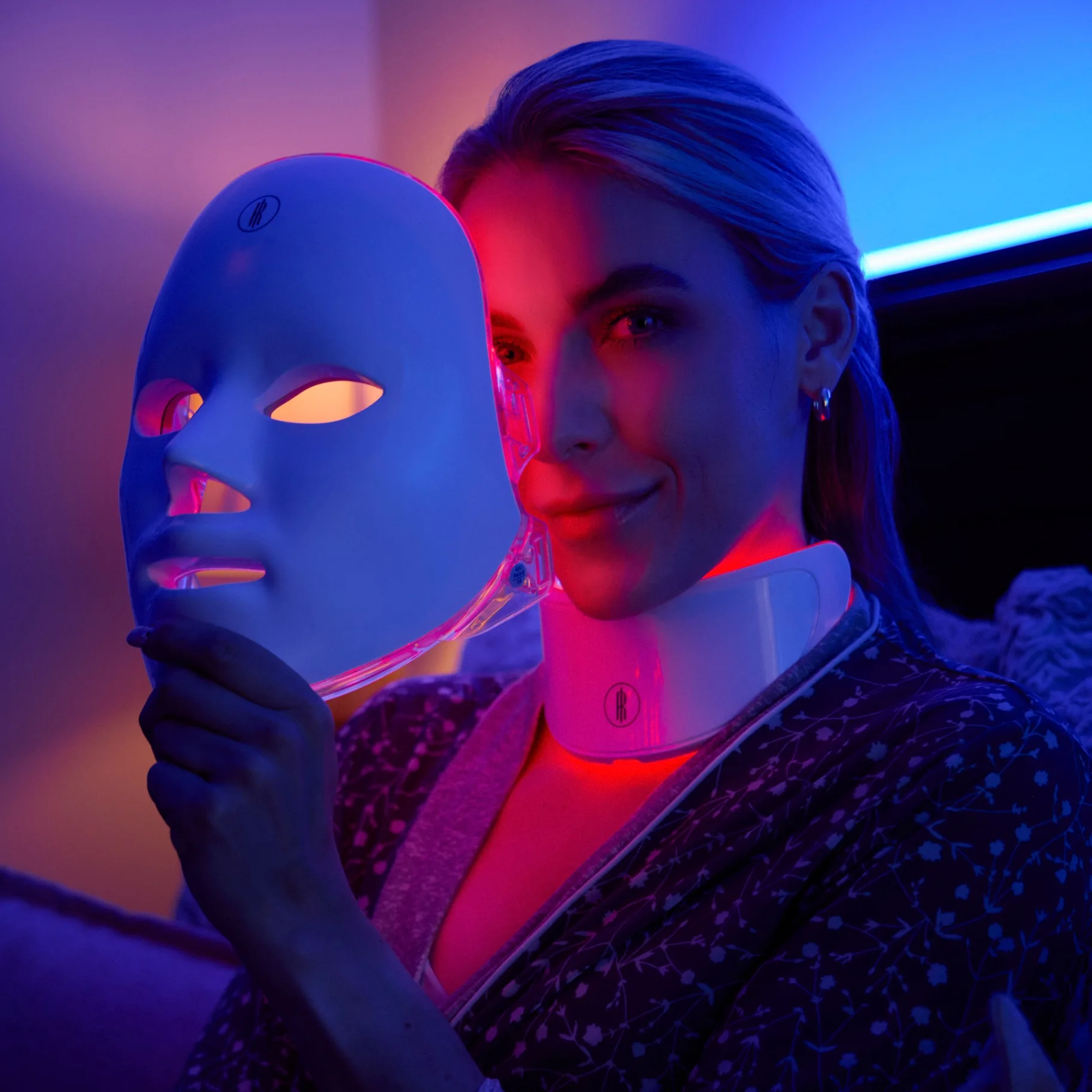
For strong mid-range options with neck coverage included, the Aluralight modular system and the Cleolight are both well-suited to GLP-1 patients. Aluralight's detachable neck piece is genuinely useful for targeting the jowl and chin area on demand, which is where GLP-1 facial changes propagate first.
If you want to start a preventive protocol immediately without a four-figure commitment, the Regenalight is the strongest budget entry. Wallet-friendly, neck coverage included, and it still hits the 630 to 660nm sweet spot that drives the collagen response.
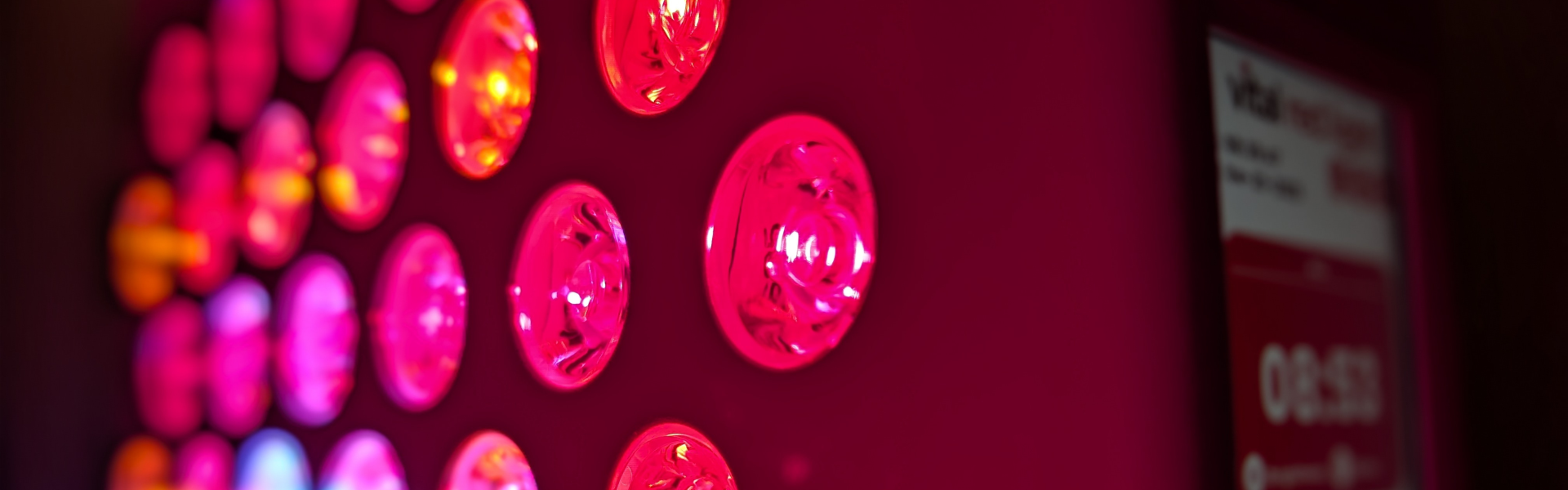
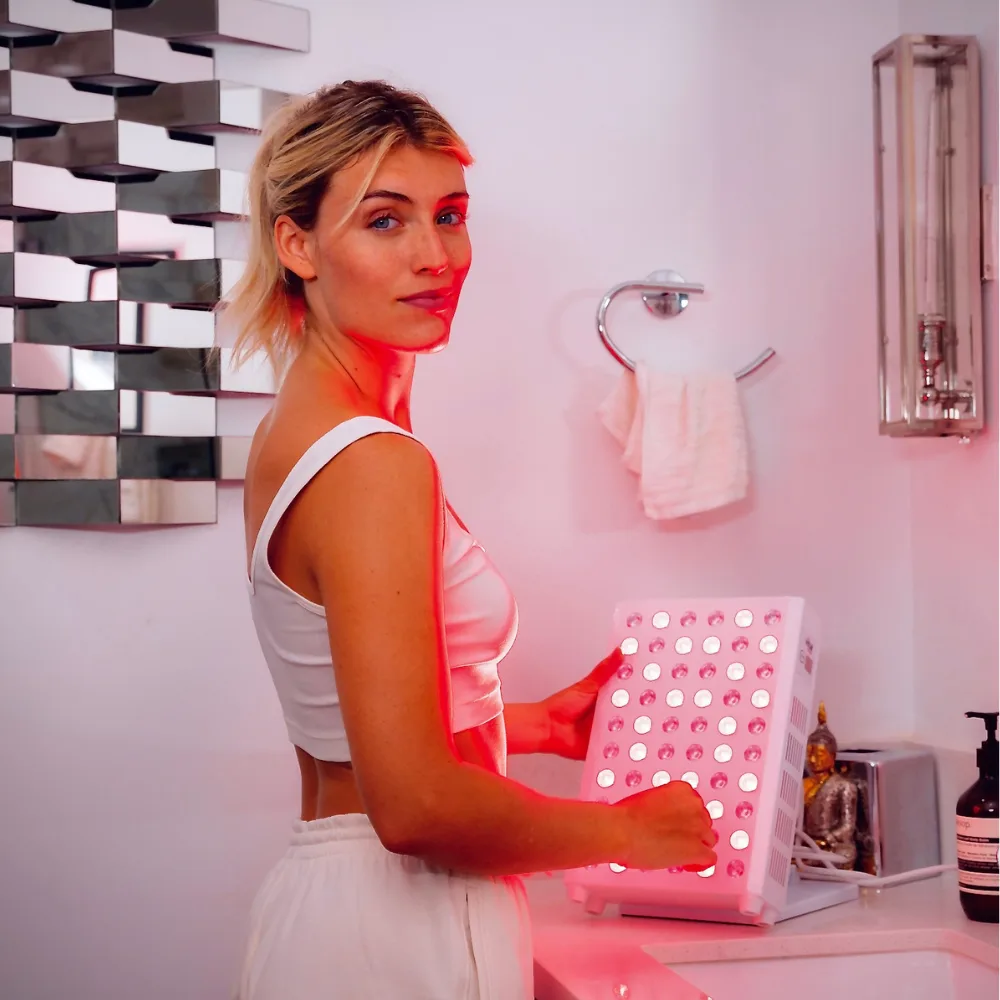
For a multi-use setup that doubles for muscle recovery, relevant since GLP-1 therapy compounds muscle loss alongside skin laxity, panels suit you best. The Vital Red Light 2.0 delivers nine wavelengths across a full-body footprint.
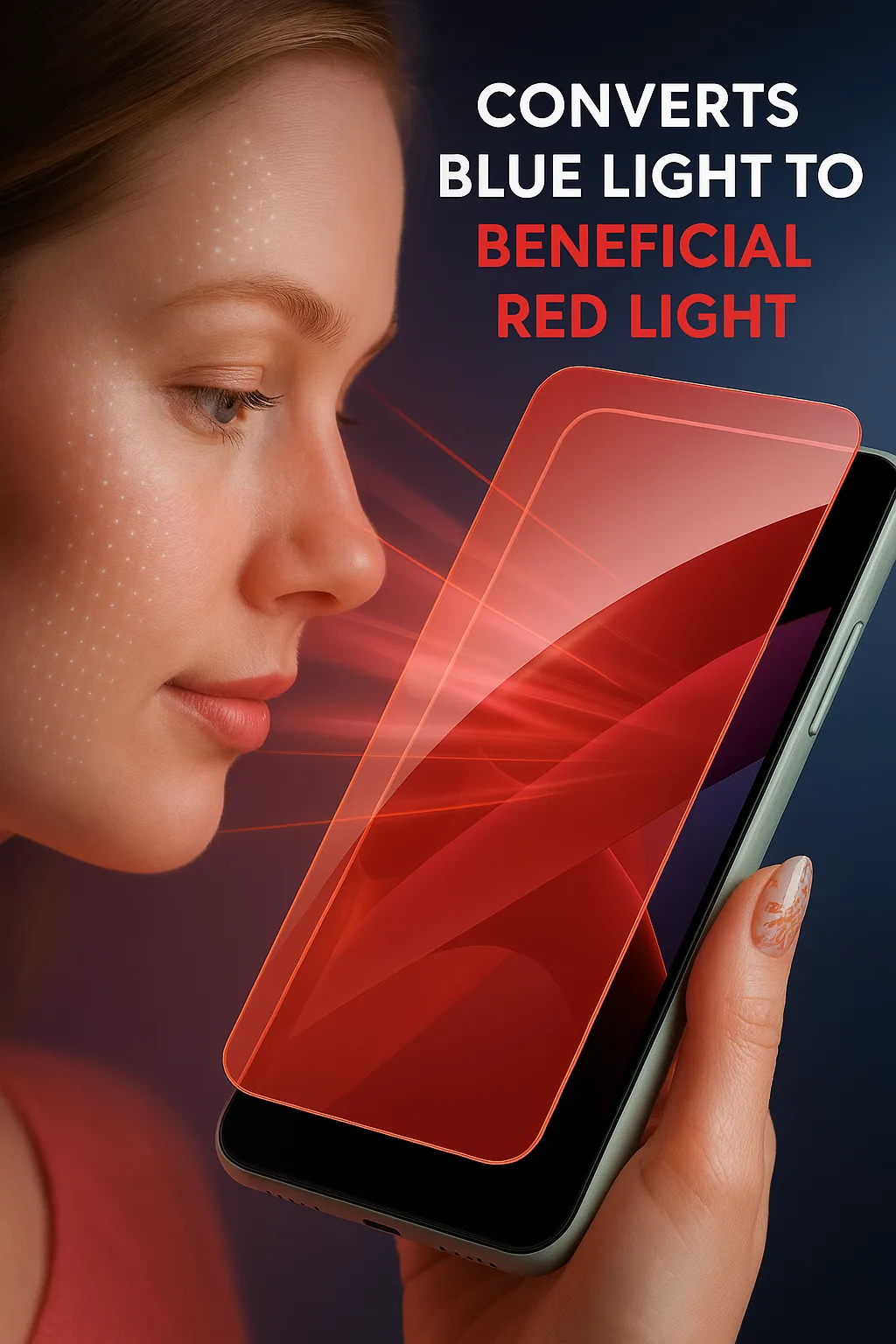
For passive cumulative exposure throughout the day, the Swap Red phone converter adds a baseline of red light during normal phone use. Not a replacement for dedicated sessions, but a meaningful compounding layer for patients on long-term GLP-1 protocols.
A small note on contraindications: skip LED therapy if you are taking medications that increase photosensitivity (some antibiotics, isotretinoin, certain antidepressants), are pregnant, or have a history of photosensitive epilepsy. For everyone else on GLP-1 therapy, daily use is safe and additive to your treatment plan.