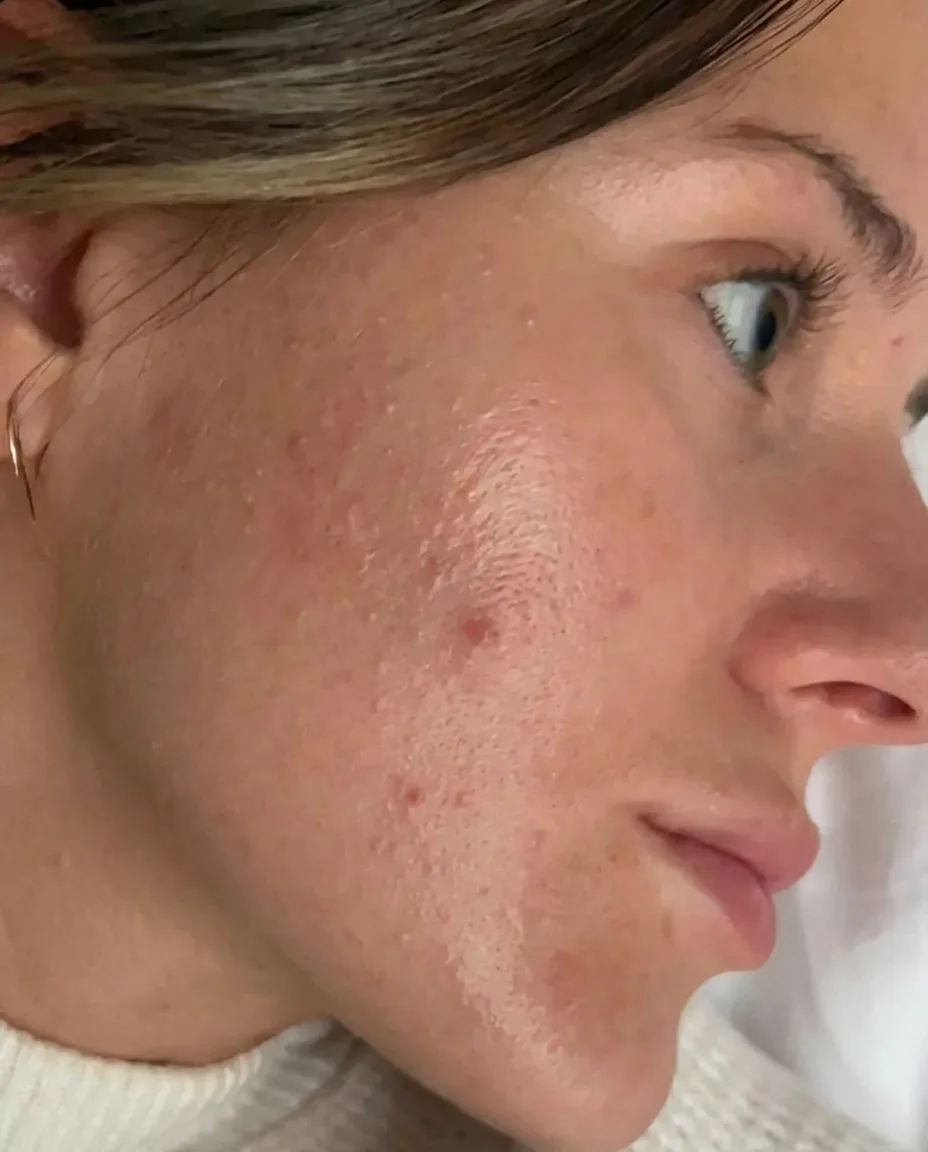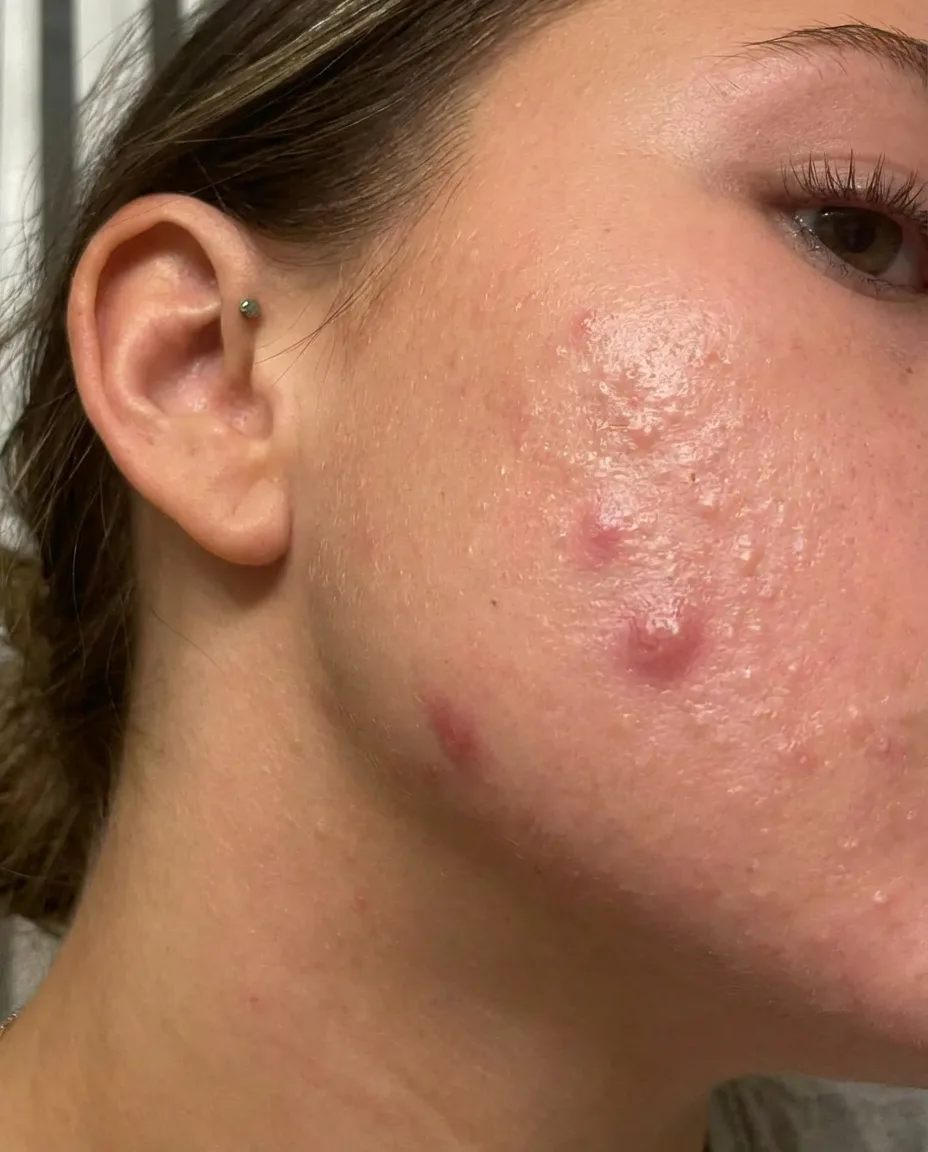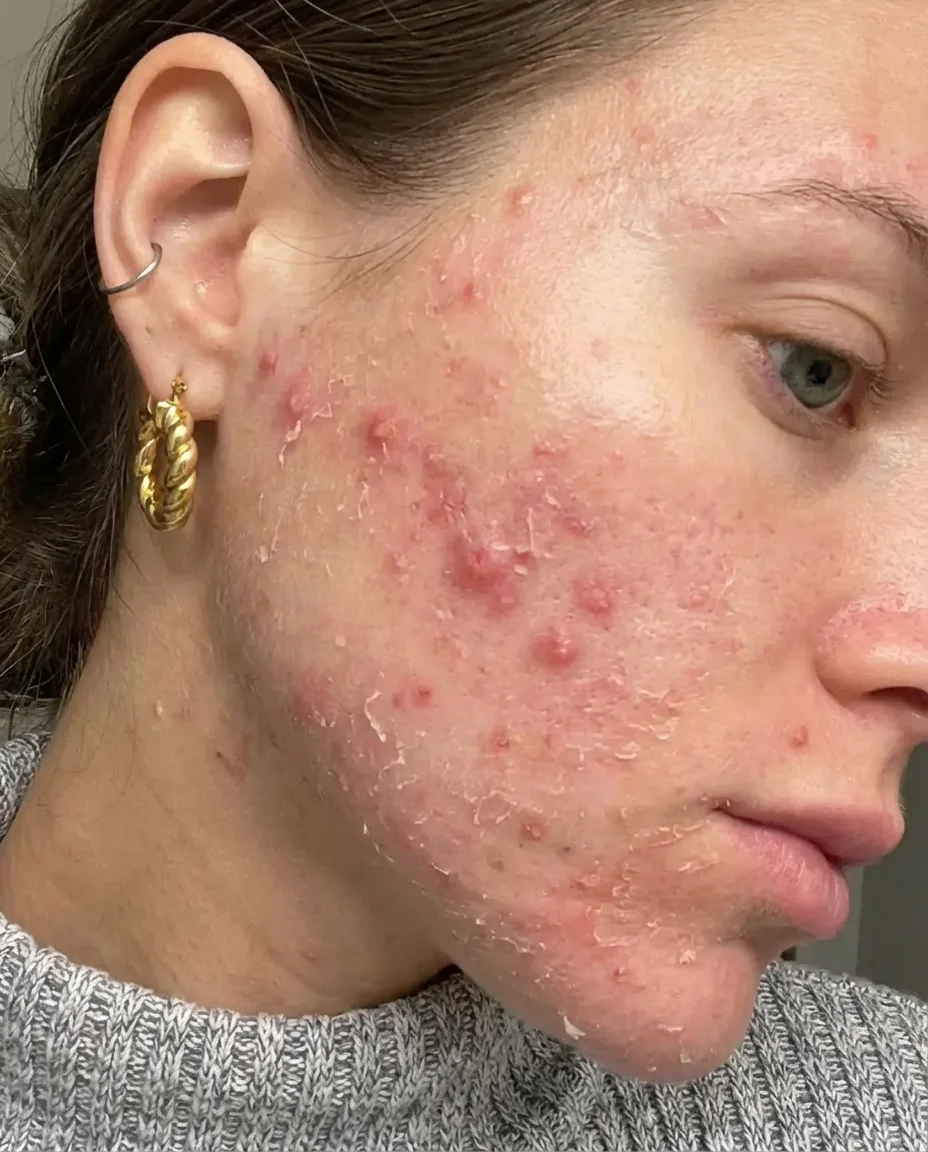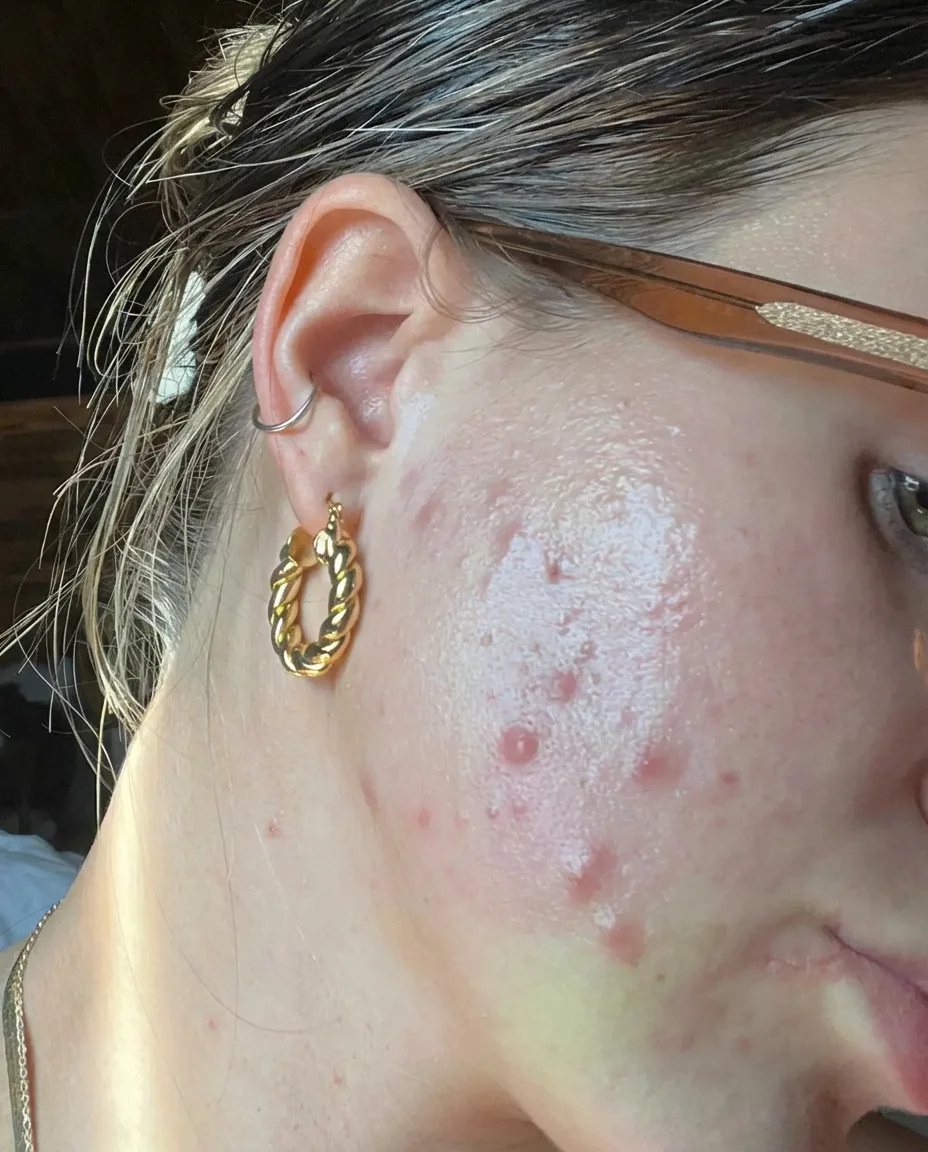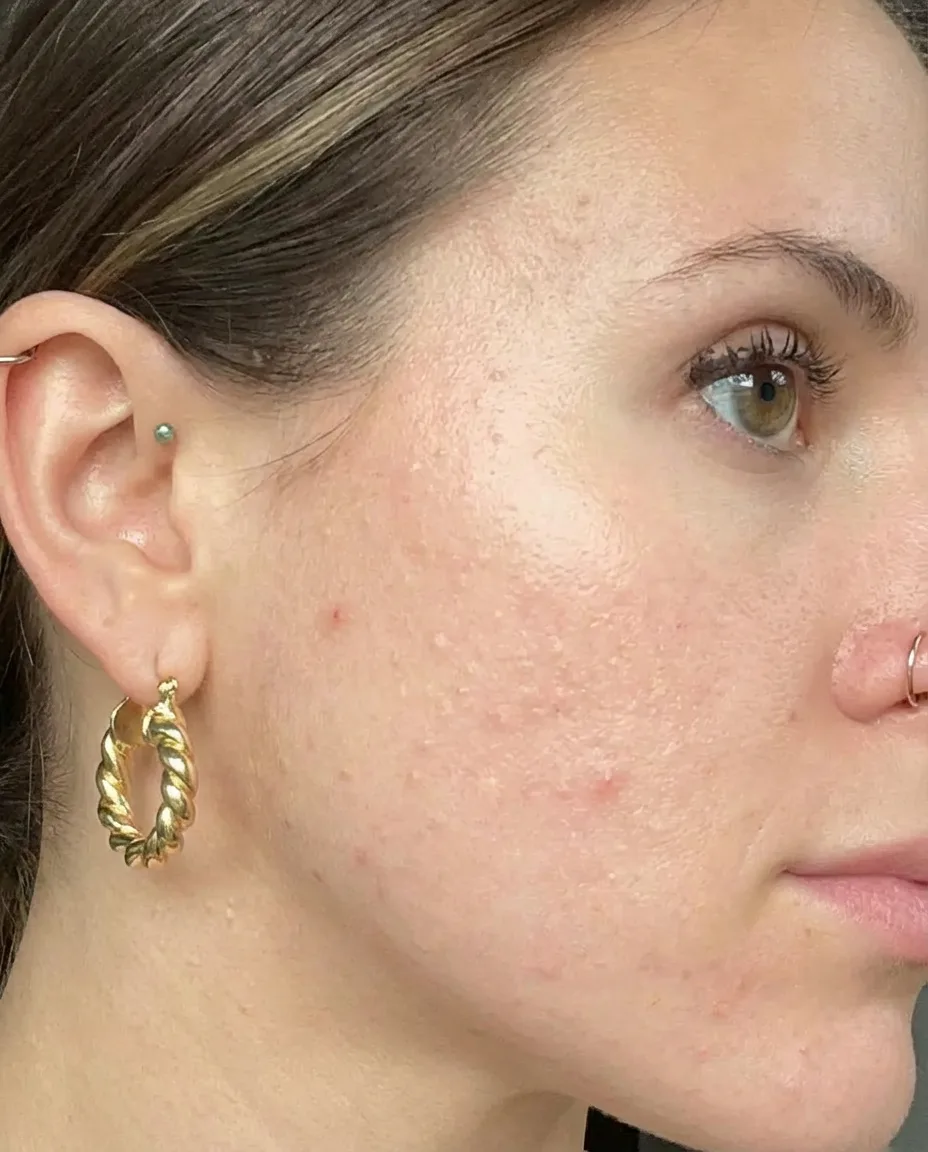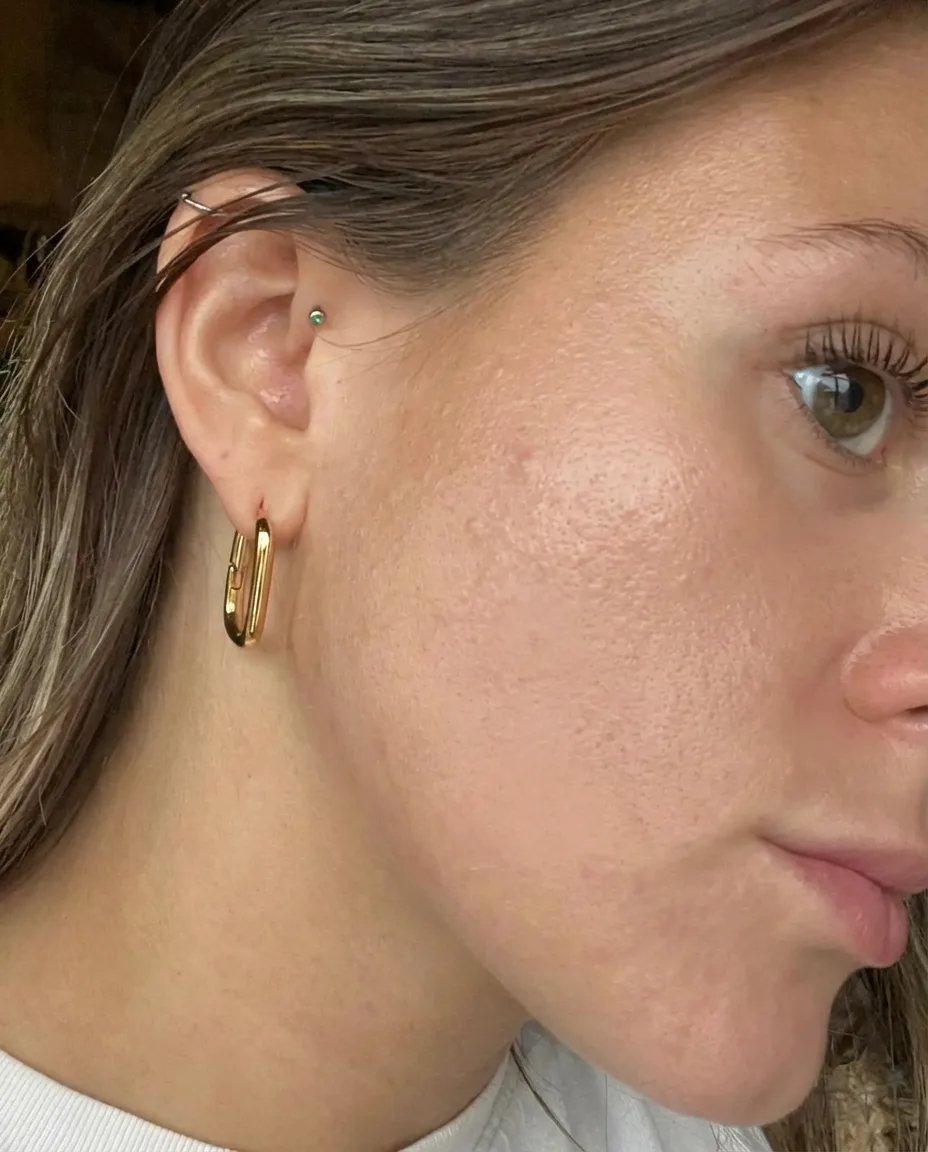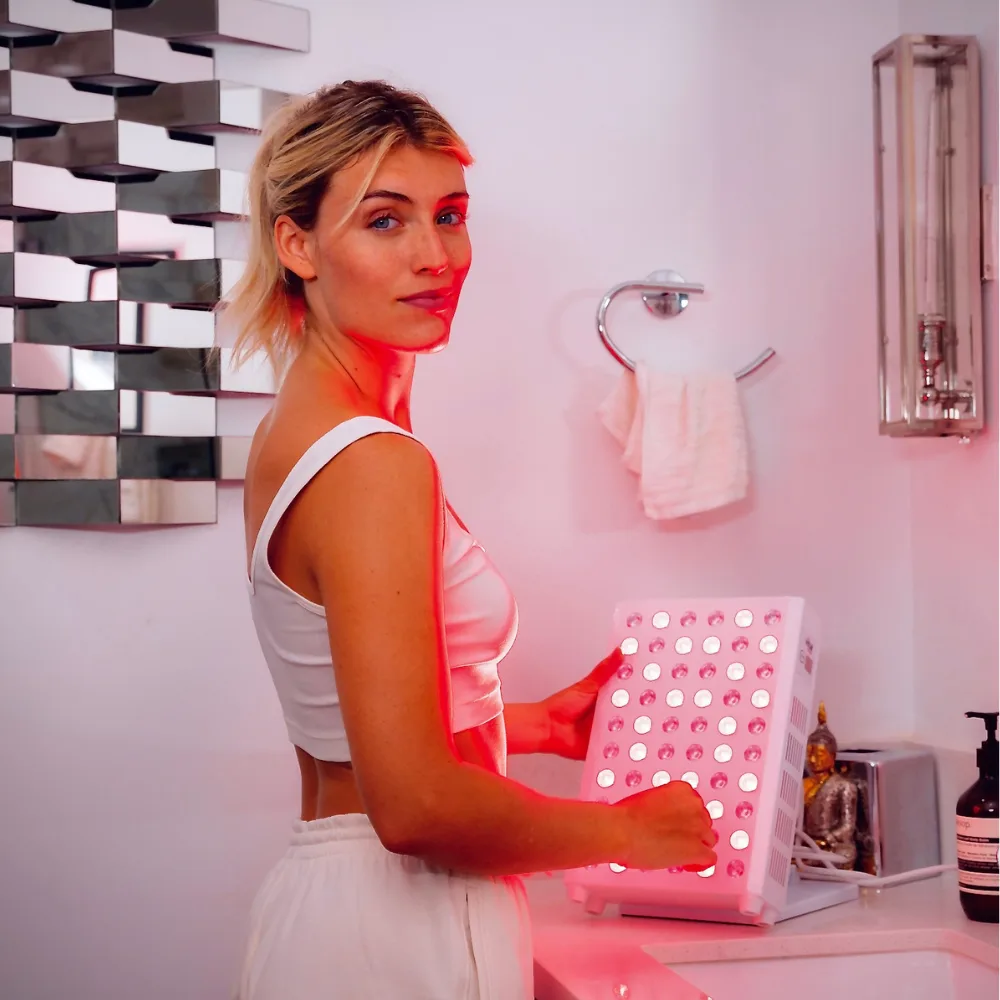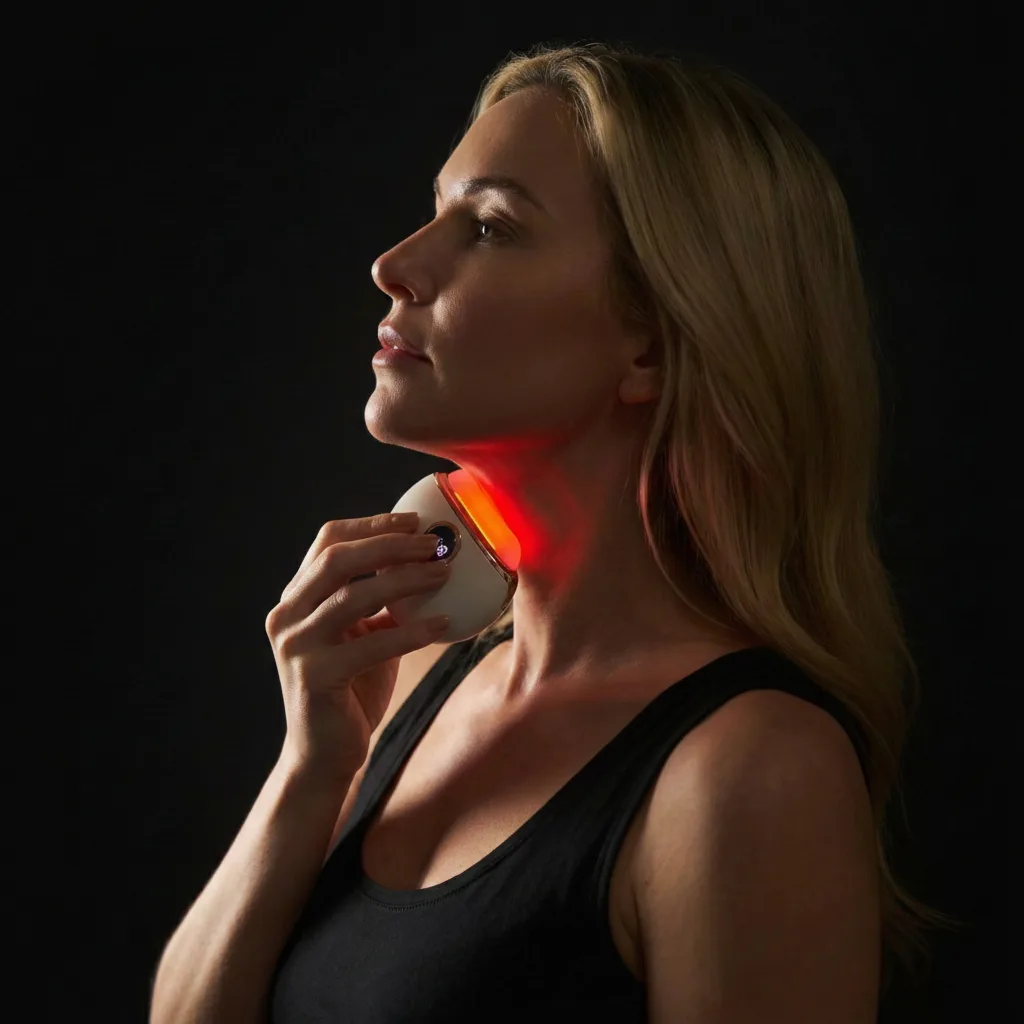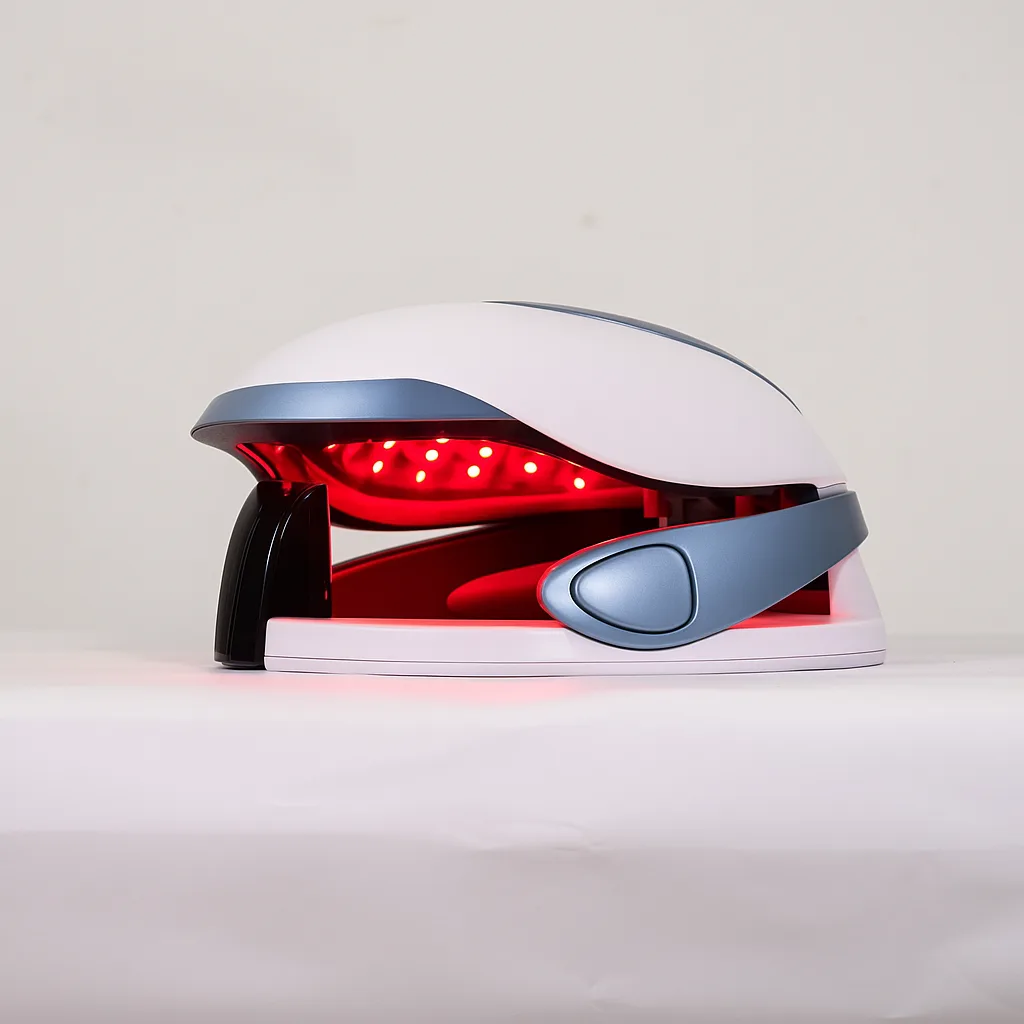

Tretinoin (Retin-A) is the gold standard for anti-aging, but it comes with a cost. The "retinization" period can last weeks or even months, with side effects including irritation, purging, redness, dryness, peeling, and increased sun sensitivity.
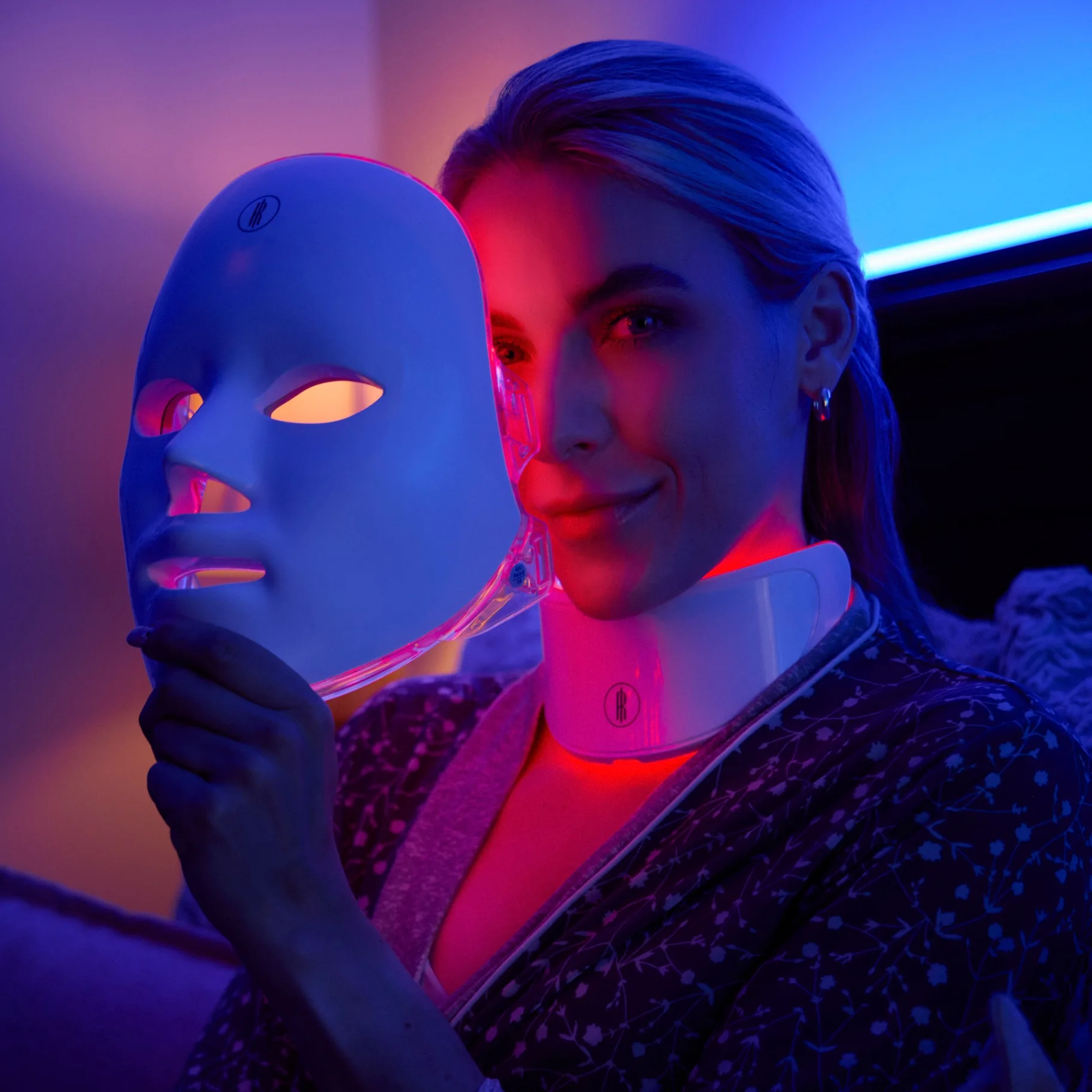
Red light therapy at 630-660nm wavelengths stimulates collagen production through a completely different mechanism —energizing your skin cells' mitochondria🧬 MechanismRed light photons are absorbed by cytochrome c oxidase (CCO), the terminal enzyme in the mitochondrial electron transport chain. This increases electron flow, boosts ATP synthesis by 150-200%, and releases nitric oxide (NO) which improves blood flow. Unlike tretinoin which works via retinoid receptors (RAR/RXR) to increase cell turnover, red light directly enhances cellular energy production.📚 SourceKaru TI. (2010). Multiple roles of cytochrome c oxidase in mammalian cells under action of red and IR-A radiation.IUBMB Life, 62(8): 607-610. This means you get:
- ✓No irritation or downtime. Use it daily without worry
- ✓Complementary to tretinoin. Many dermatologists recommend using both together
- ✓Safe for sensitive skin. Even if tretinoin is too harsh for you
- ✓Soothes tretinoin side effects. Reduces redness and inflammation caused by retinoids
- ✓Faster visible results.Clinical studies show improvements in as little as 2-4 weeks🧬 MechanismUnlike tretinoin which requires 12-24 weeks for visible anti-aging results due to the slow process of epidermal turnover, red light therapy shows faster improvements because it directly stimulates existing fibroblasts. Studies demonstrate measurable increases in skin elasticity and reduction in wrinkle depth within 2-4 weeks of consistent use.📚 SourceLee SY, et al. (2013). A prospective, randomized, placebo-controlled study.Dermatologic Surgery, 39(3 Pt 1): 302-310
- ✓No prescription needed.No prescription or subscription needed.
"I often recommend red light therapy to patients who can't tolerate tretinoin or want to enhance their retinoid results. The science is solid. Red light stimulates fibroblasts to produce collagen without compromising the skin barrier."
- Dr. Sarah Mitchell, Board-Certified Dermatologist
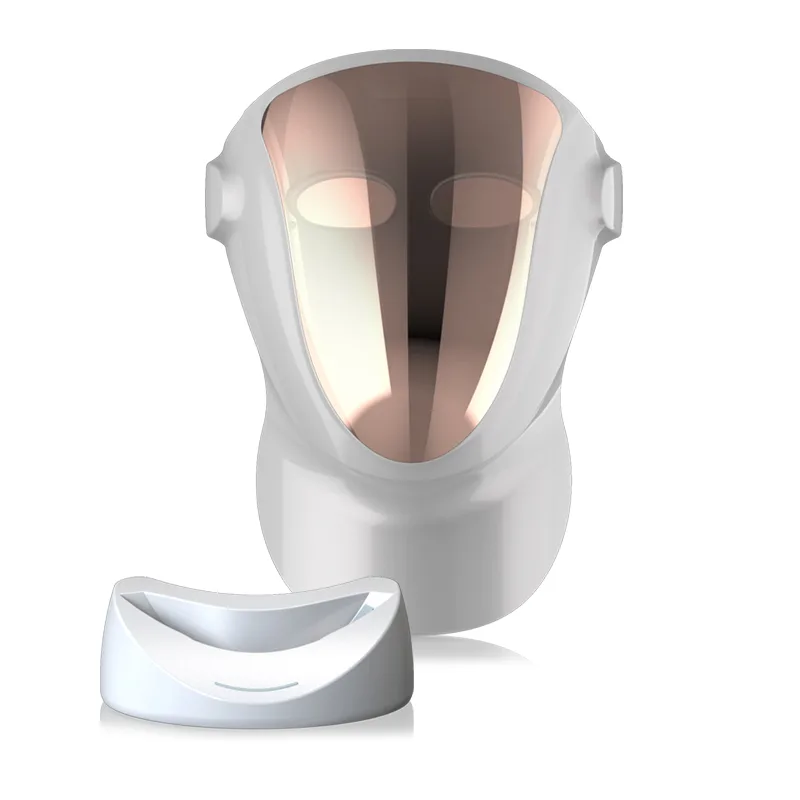
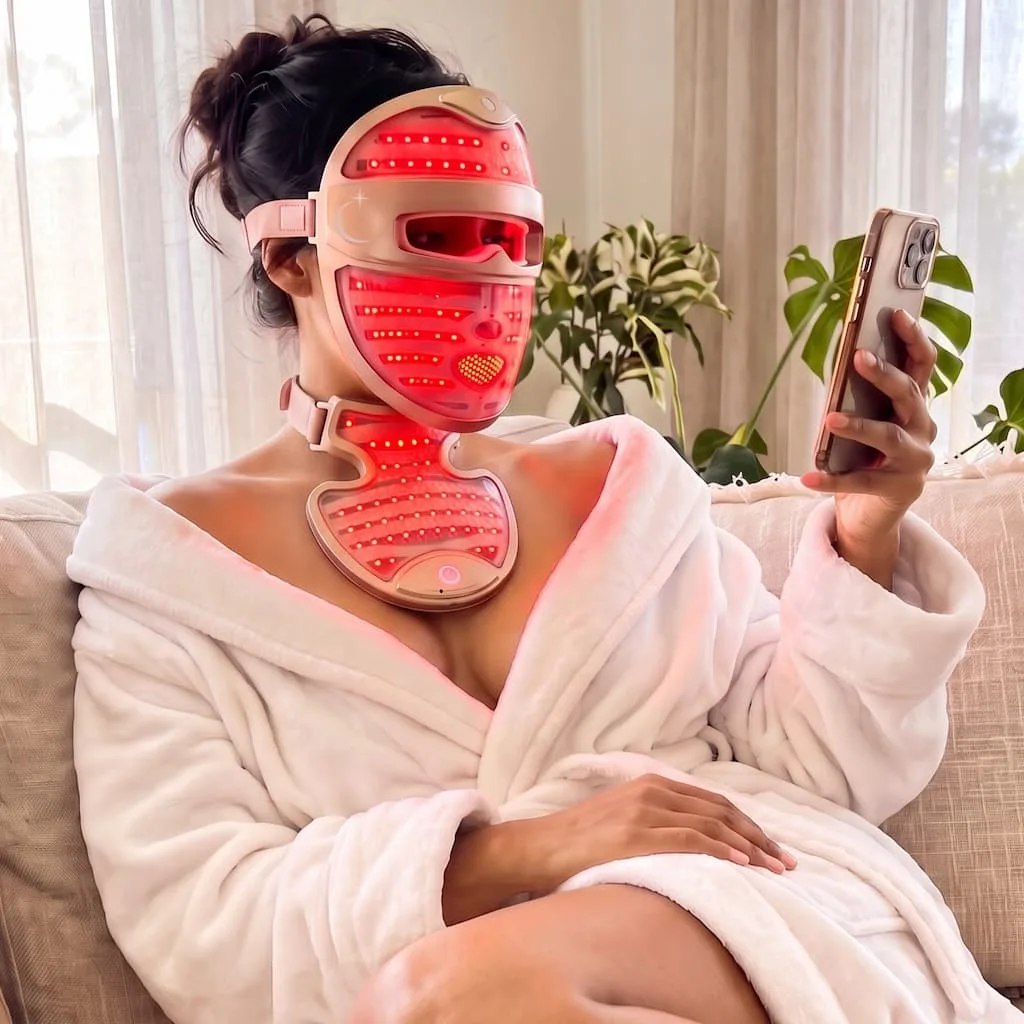
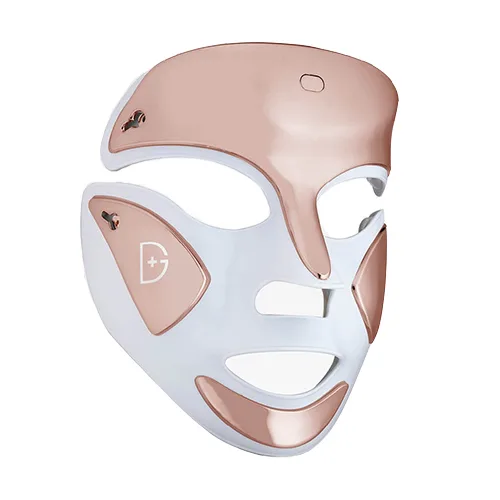
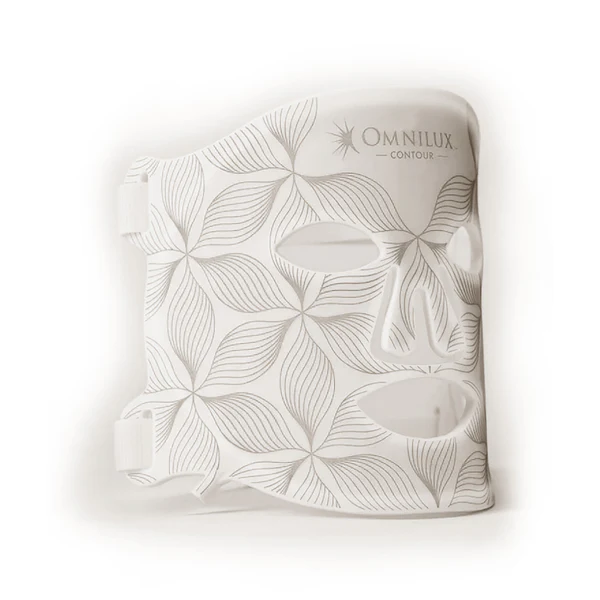
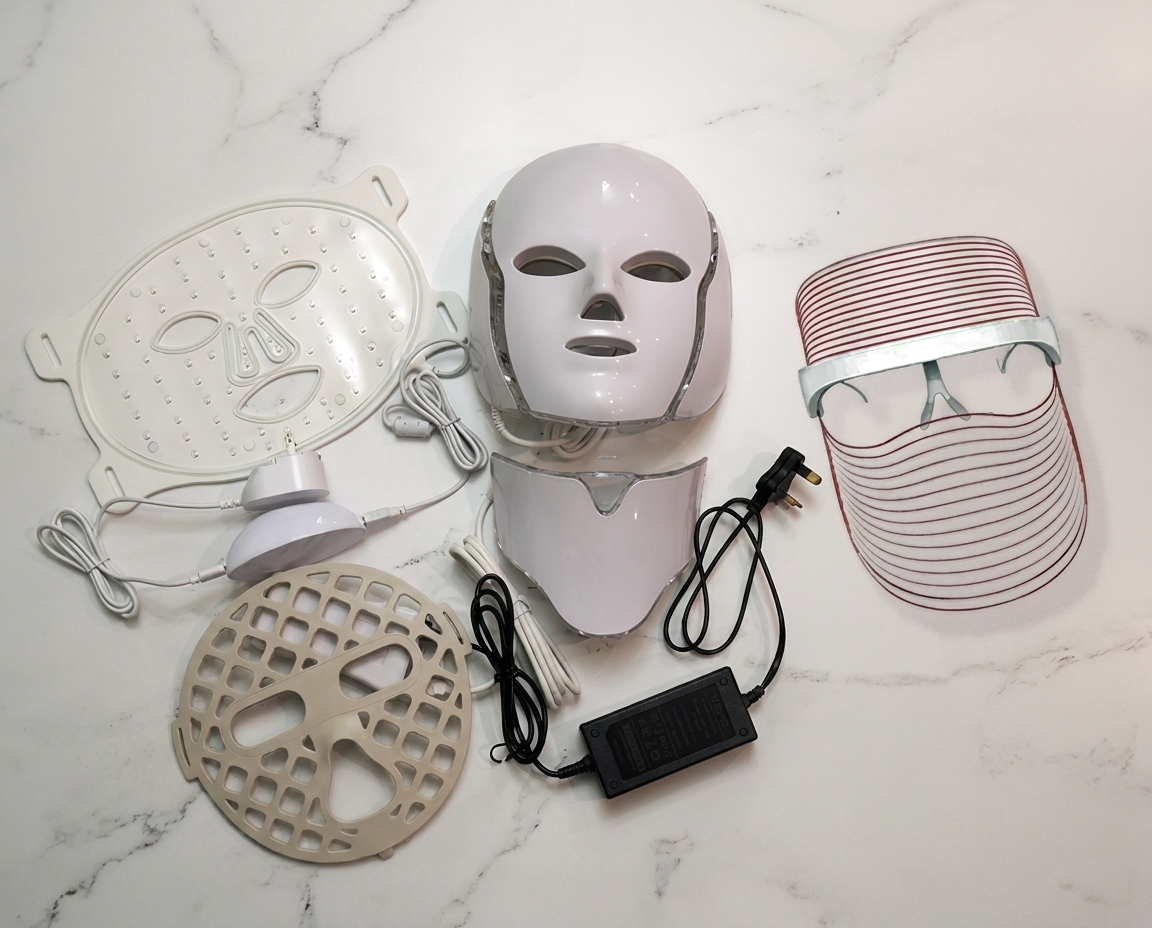
Whether you're looking for a tretinoin alternative or want to supercharge your existing retinoid routine, the devices below represent the best red light therapy masks available in 2026.
How to Combine Red Light Therapy with Tretinoin
Timing is Key
The ideal approach is to use red light therapy before applying tretinoin. Here's the recommended routine:
- 1. Cleanse your face thoroughly and pat dry
- 2. Use red light therapy for 10-20 minutes on clean, dry skin
- 3. Wait 10-15 minutes after your red light session
- 4. Apply tretinoin as prescribed by your dermatologist
- 5. Follow with moisturizer if needed (after tretinoin absorbs)
Why This Order Works
Using red light therapy first allows the wavelengths to penetrate your skin without any barriers. The light energy primes your cells for collagen production, and then tretinoin works on the surface level to increase cell turnover. This combination gives you both deep cellular benefits and surface-level renewal.
Can I Use Them on the Same Night?
Yes. Most dermatologists agree that using both treatments on the same night is safe and effective. However, if you're new to tretinoin or experiencing irritation, you may want to alternate nights until your skin adjusts.
Morning vs. Evening
Tretinoin: Always use at night, as it increases sun sensitivity and breaks down in sunlight.
Red light therapy: Can be used morning or evening. Many people prefer morning sessions for an energizing start, or evening sessions as part of their nighttime routine before tretinoin.
💡 Pro Tip
If tretinoin makes your skin sensitive, red light therapy can actually help reduce inflammation and support your skin barrier. Many users find that adding red light therapy makes tretinoin more tolerable and accelerates the positive results.